
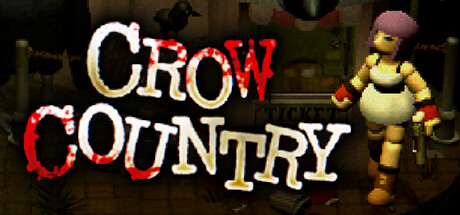
Released on PS5, Xbox Series X/S, and Windows in May 2024, with PS4 and Nintendo Switch versions following in October, Crow Country is a love letter to survival horror’s golden era. Developed by SFB Games, it captures the eerie essence of classic horror titles while smoothing over the rough edges that often come with the genre’s early days. If you’ve ever found yourself yearning for the atmosphere of Resident Evil or Silent Hill without the clunky controls and (at times) irritating static cameras, this one’s for you.
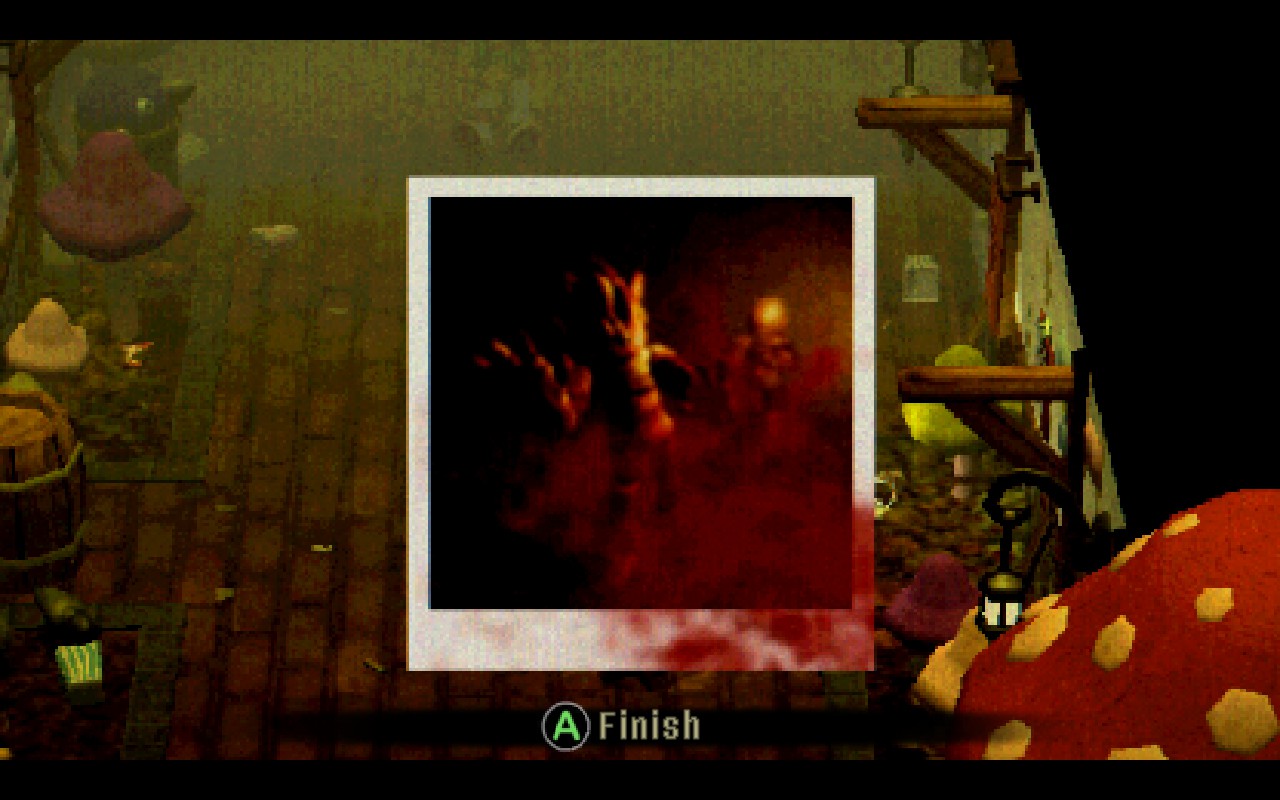
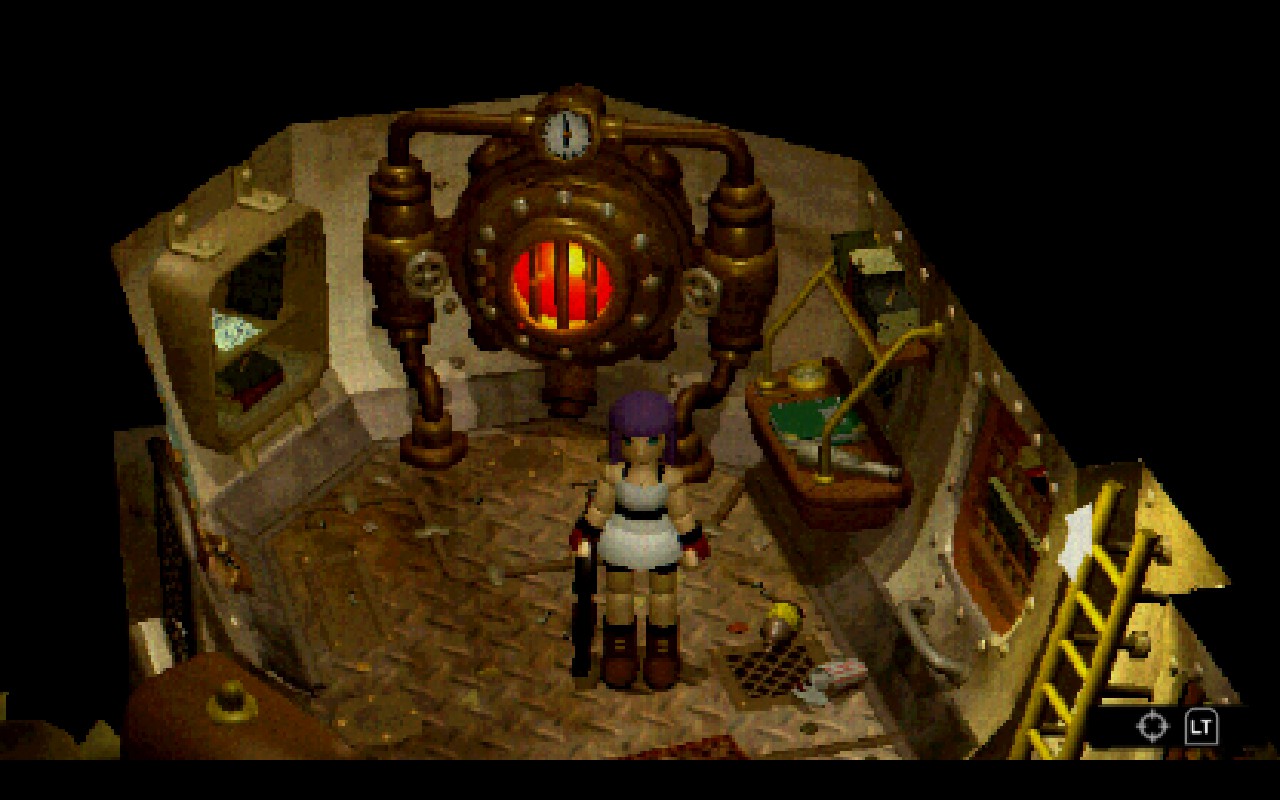
From the moment you boot it up, Crow Country lets you know what kind of experience you’re in for. It’s unapologetically retro in its aesthetic – low-poly models, fixed animations, and that distinct PS1-style grain – but it’s also incredibly self-aware and polished. Rather than forcing you to wrestle with outdated mechanics, the game opts for a fully controllable camera, giving you the freedom to explore its creepy environments without the frustration of blind corners or sudden angle shifts. It’s a small change on paper, but it makes a world of difference in practice.


You play as Mara, a mysterious woman who arrives at the abandoned Crow Country theme park looking for its elusive owner. The story unfolds gradually, mostly through environmental clues, notes, and cryptic interactions. It’s not overly expositional, which I appreciated – you’re trusted to piece things together at your own pace. There’s a quiet sadness to the narrative, like something tragic is lingering just beneath the surface, and that melancholy undercurrent gives the game surprising emotional depth.
Gameplay-wise, Crow Country hits all the survival horror beats without feeling like a knock-off. There’s limited ammo, tense combat, locked doors, oddly-shaped keys, and puzzles that strike a great balance between clever and accessible. You’ll find yourself backtracking through the park, revisiting areas with new items and insights, but it never feels like a chore thanks to solid pacing and smart level design.
Combat is deliberately simple, but surprisingly satisfying. You’ve got a modest arsenal – a handgun, shotgun, and a few other tools of the trade, and each encounter feels meaningful. There’s no run-and-gun chaos here. Ammo is limited, so every bullet counts, and deciding when to fight or flee becomes a constant source of tension. You’re rarely overwhelmed by numbers, but the enemies are creepy and strange enough that even one on its own can get under your skin.
The enemy design is a highlight. These aren’t your typical zombies or monsters; they’re bizarre, vaguely humanoid things with uncanny animations and grotesque features. Some lurch toward you slowly, others twitch and jerk as they move, and a few come with disturbing sound cues that warn you they’re near before you see them. Their behaviour keeps you guessing, and combined with the dim lighting and ambient noise, every encounter has the potential to go sideways if you get careless.
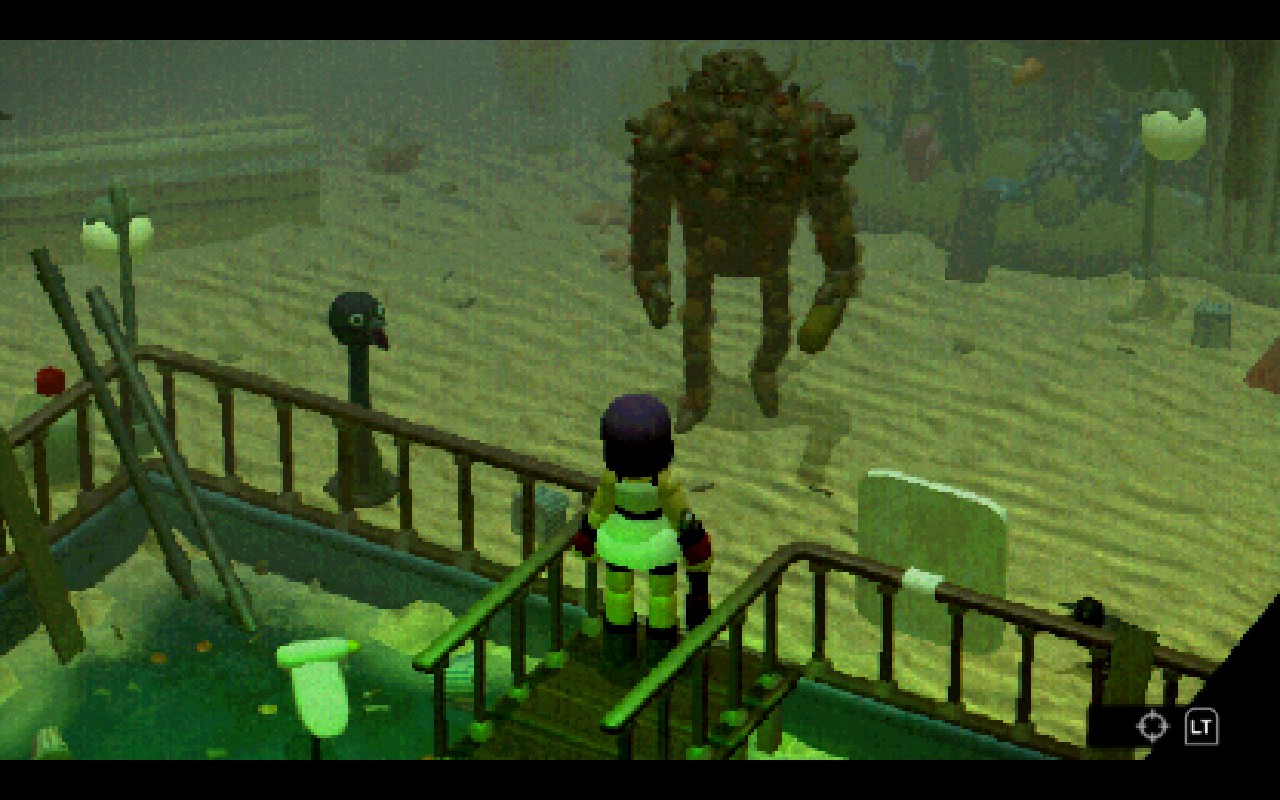
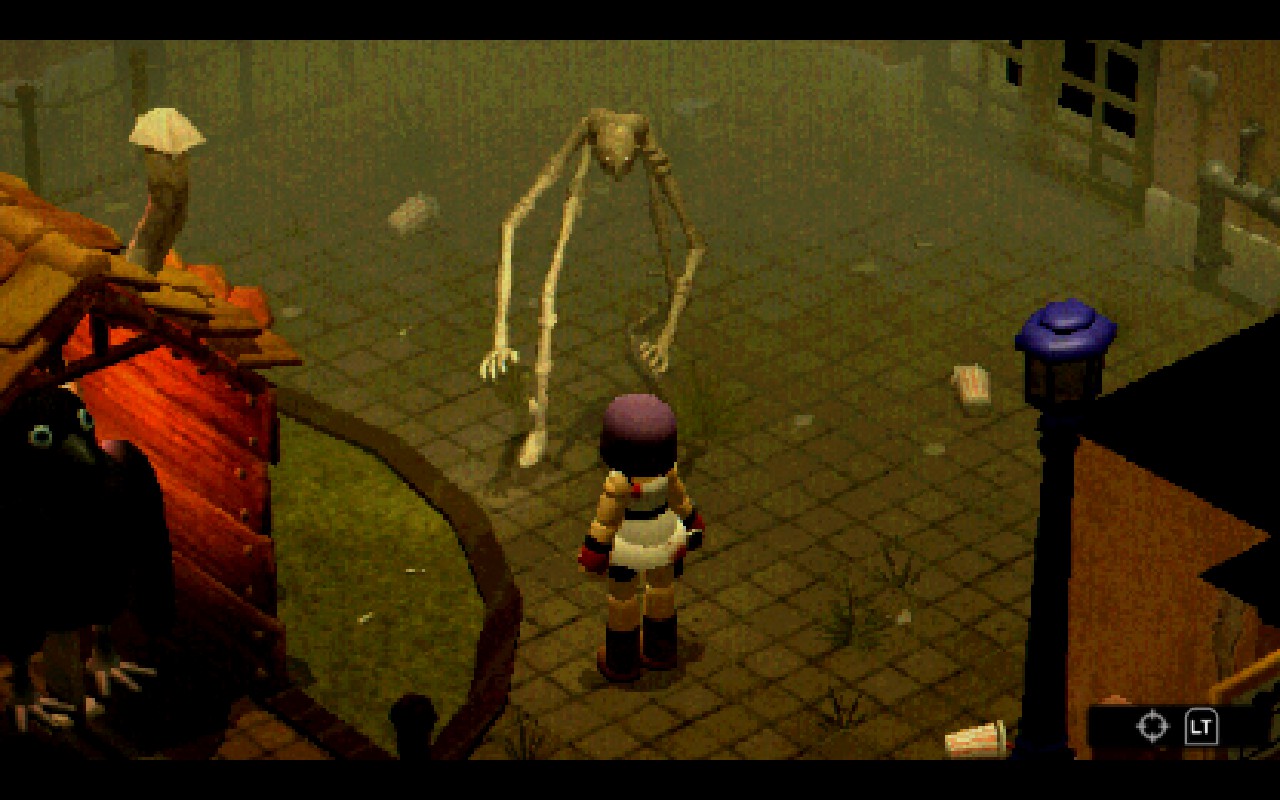
Combat isn’t just about survival; it also reinforces the game’s unsettling mood. Firing your weapon echoes across empty halls, and enemies don’t always go down easily. They stagger, they shriek, and sometimes they lie still just long enough to make you wonder if they’re really dead. It’s not punishing, but it’s never comfortable, which is exactly what you want from a survival horror game.
The setting itself – the abandoned theme park – is fantastic. It’s eerie, surreal, and packed with little details that give it character. Every area feels like it once had a purpose, now twisted by decay and neglect. You’re constantly torn between admiring the scenery and dreading what might be lurking around the next corner. The developers have done a brilliant job of making each section of the park distinct, from rusting rides and haunted attractions to staff-only zones where things get particularly grim. What really impressed me was how much restraint the game shows – it knows how to let silence build tension, how to use lighting to make even an empty corridor feel threatening, and how to reward exploration without spoon-feeding you.
And then there’s the music and sound design – absolutely top-tier. The soundtrack is subtle and moody, kicking in at just the right moments to heighten tension. The ambient noise does a lot of the heavy lifting, creating a rich, unsettling soundscape that makes headphones practically mandatory. It all comes together to build an atmosphere that’s less about jump scares and more about dread – the slow, creeping kind that sticks with you.


If I had to nitpick, the only downside is that Crow Country isn’t very long. Most players will probably finish it in five to six hours, depending on how thoroughly they explore. But honestly, I didn’t mind. The experience is so tightly crafted that it never feels padded or repetitive. If anything, I admire the confidence it takes to make a short game that knows exactly what it wants to be and does it well.
In the end, Crow Country isn’t just a throwback – it’s a refinement of everything that made early survival horror great, with thoughtful updates that make it accessible and engaging for a modern audience. It’s atmospheric, haunting, and genuinely fun to play. Whether you’re a genre veteran or just dipping your toes into horror, it’s well worth your time.
A brilliant, bite-sized horror experience that modernises the classics without losing their soul. I’m giving it a well-deserved 9/10. A hidden gem? Maybe. But it deserves to be found.
 Gareth Ellis - Author