
The Operator launched in July 2024, first on PC and later making its way to other platforms like the Switch. It’s the debut game from indie developer Bureau 81, a small team that clearly poured a lot of love into crafting a tense little thriller.
Gameplay & Story
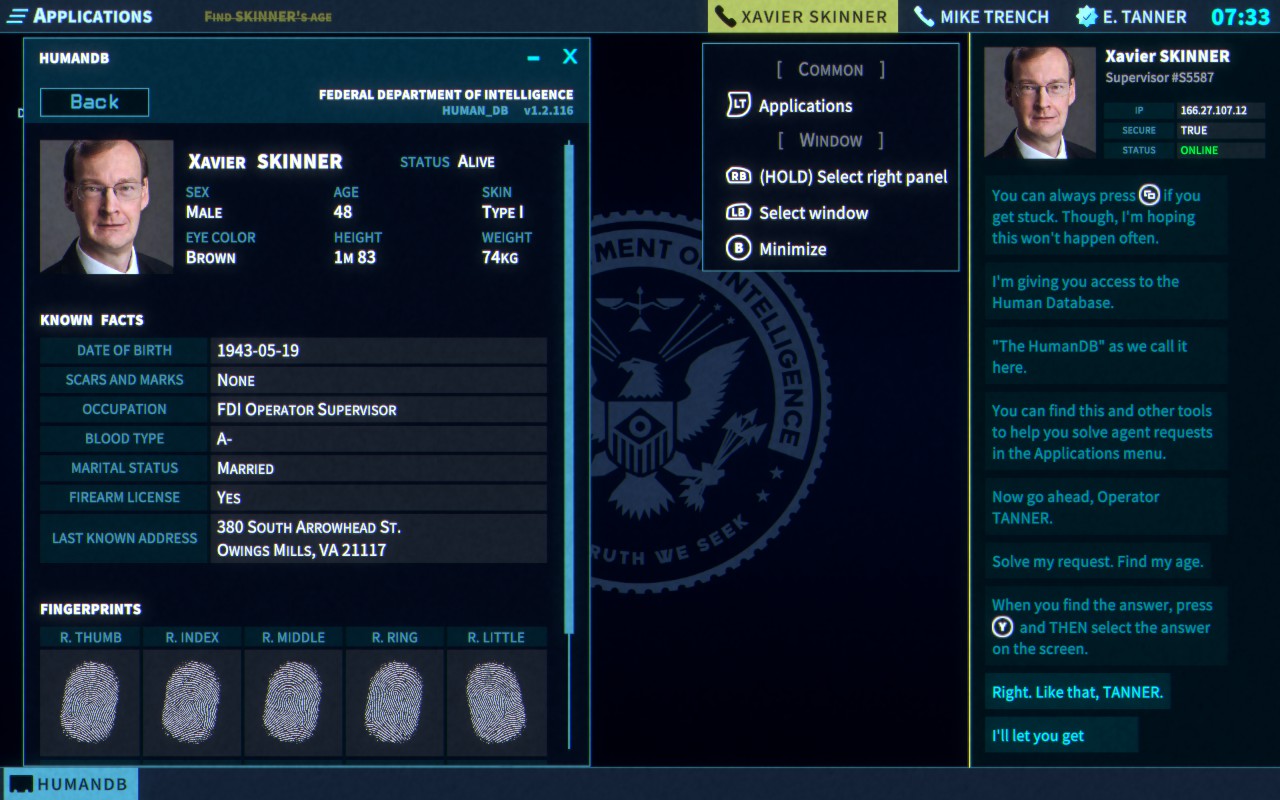
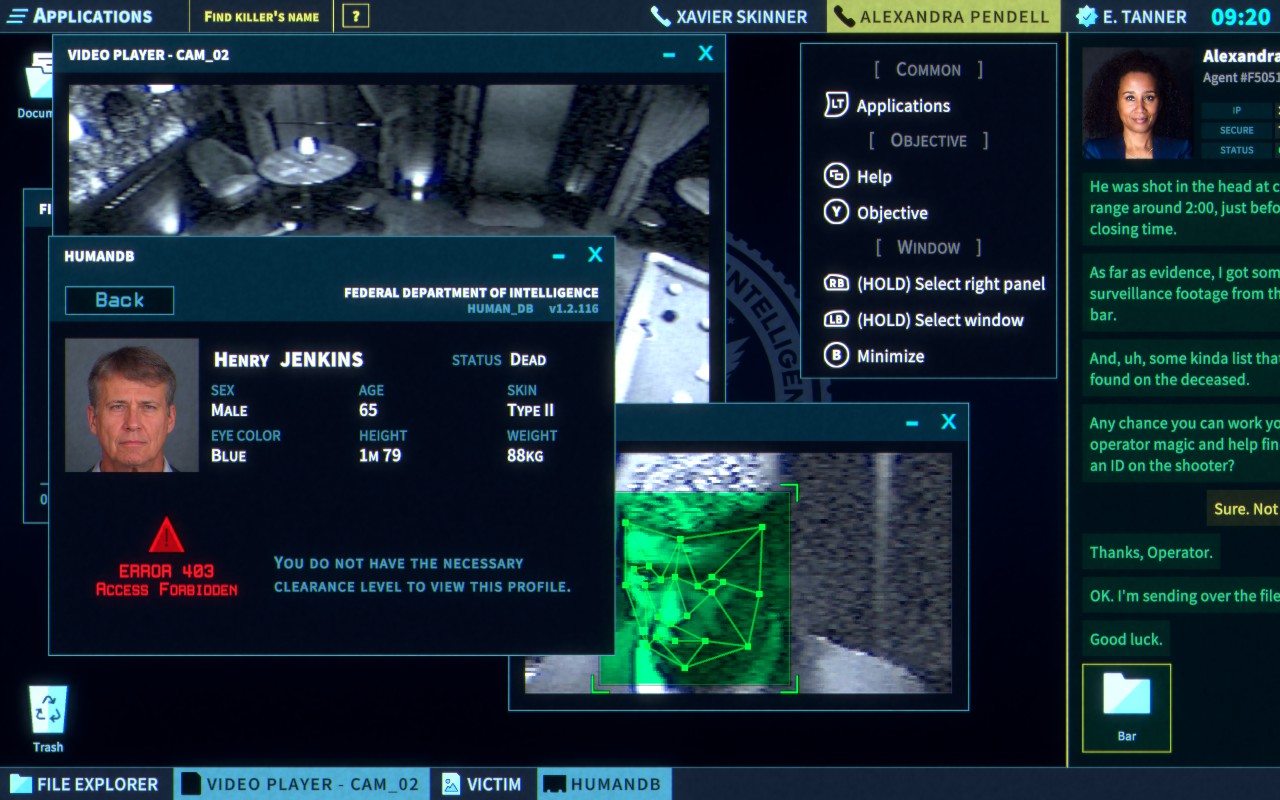
You play as Evan Tanner, a rookie agent working for the FDI, a fictional intelligence agency. Your job begins as a desk-based role, trawling through databases, enhancing photos, and running routine checks to help field operatives. What starts as mundane detective work quickly spirals into something much stranger. A mysterious hacker infiltrates your system, your once-stable tools begin to glitch, and suddenly you’re not sure who you can trust or what’s real.
The gameplay is entirely computer-based: typing commands, clicking through files, and piecing together puzzles. It’s streamlined and intuitive, with a design that makes you feel like you’re really working behind the scenes of a shadowy investigation. Sessions are relatively short, with the whole story wrapping up in just a handful of hours, but it’s a tightly woven experience rather than a drawn-out one.

Atmosphere & Narrative Delivery
The game has a low-key but absorbing atmosphere, with a constant undercurrent of paranoia. You’re surrounded by static-filled phone calls, corrupted data, and unsettling hints of larger conspiracies. The tone strikes a perfect balance between grounded intelligence work and eerie thriller mystery.
While the story is linear, it’s delivered with enough suspense to keep you hooked. The climax comes quickly, and the ending leaves you with a lingering chill, though some players may wish there had been more room to explore alternative paths or dig deeper into the world.
A Spiritual Successor to Spycraft
Back in the mid-90s, there was a cult classic called Spycraft: The Great Game. It was an espionage thriller where you pieced together clues to unravel conspiracies. The Operator feels very much like its modern cousin. Instead of cinematic sequences and flashy spy drama, it narrows the focus to your desk and computer screen, making the investigative work feel intimate and tense. Both games share that same DNA of unravelling shadowy plots through clever problem-solving, but The Operator strips it back into something leaner, moodier, and perfectly suited for today.

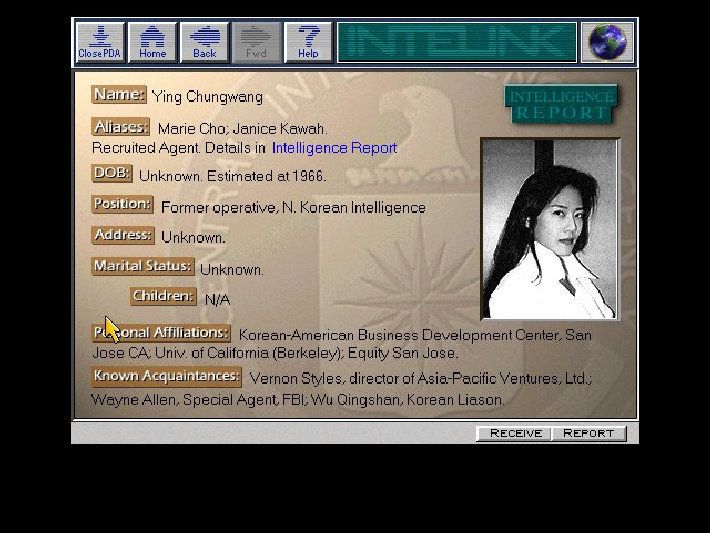
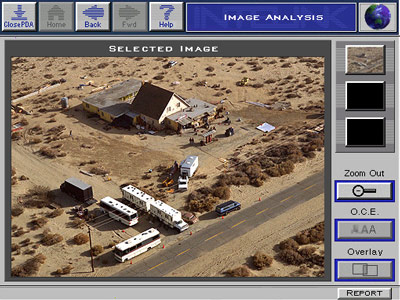
That said, when compared to Spycraft, it does feel a little more shallow. Where Spycraft’s story sprawled with twists and turns, The Operator keeps things simple, perhaps too much so for players craving a meatier spy narrative.
The Downfalls
For all its atmosphere and clever presentation, The Operator isn’t without its drawbacks. It’s quite short, often wrapping up in just a few hours, and once the credits roll, you might be left wishing for more depth. There are multiple pieces of in-game software that you gain access to, but most of them are only used once or twice, which makes some of the mechanics feel underdeveloped. The story, while engaging, can also feel a little simplistic, especially if you’re coming in expecting layers of espionage intrigue.

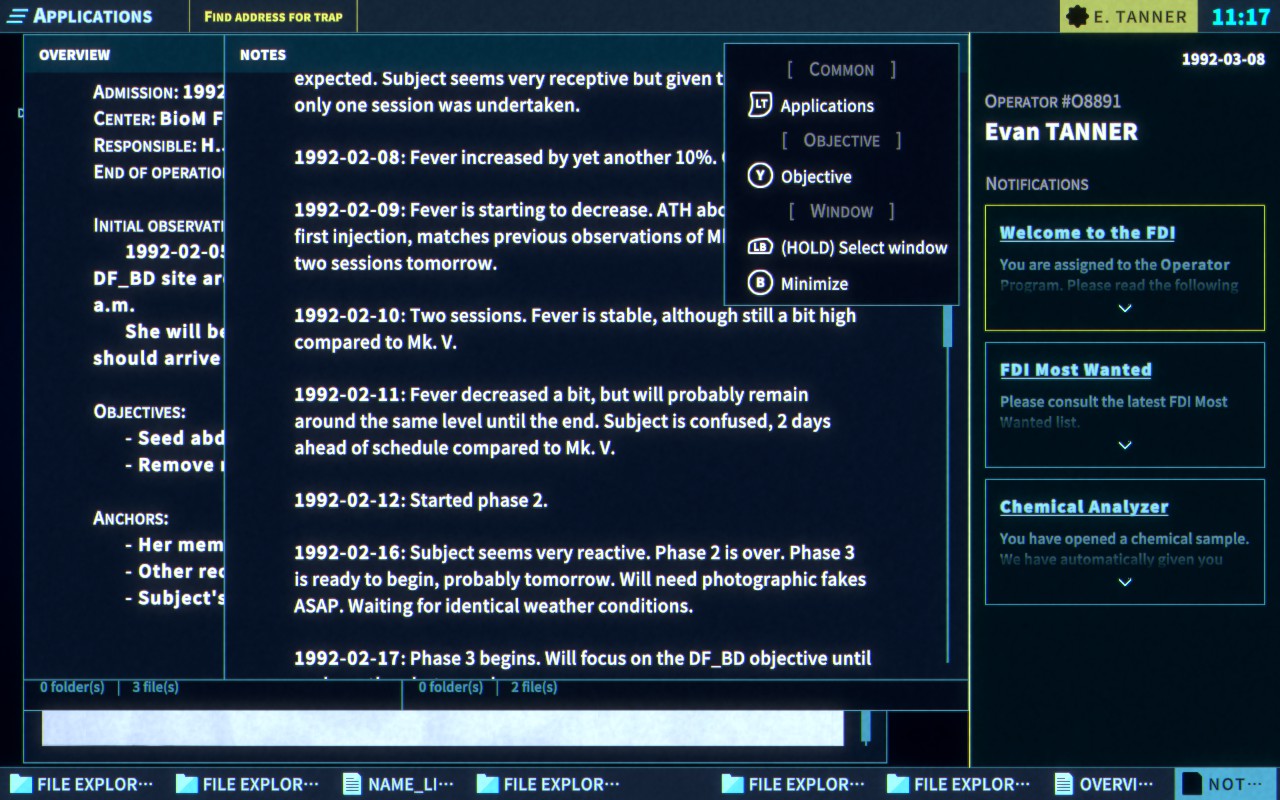

There’s also the illusion of choice. You’re occasionally asked to make decisions or respond in ways that seem like they’ll shape the narrative, but most of them don’t actually matter in the long run, save maybe one or two. That lack of consequence can take the wind out of the sails if you’re expecting your actions to leave a lasting mark on the story.
Overall, The Operator is a sleek, moody little thriller that knows exactly what it wants to be. It’s compact, engaging, and drenched in atmosphere. Sure, it’s short, its systems don’t always get the chance to shine, and the choices feel thinner than they first appear, but the focus means there’s barely any filler, and every moment counts. All this being said, I’m giving it a pretty spry 7/10, but it could have been so much more. I’m not sure if I’ll return to The Operator, unlike Spycraft, which I revisit periodically every few years.
 Gareth Ellis - Author