

⭐⭐⭐⭐⭐
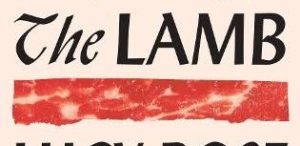
The Lamb by Lucy Rose is one of those books that creeps under your skin almost from the first page, and once it’s there, it refuses to leave. It’s hard to believe this is a debut because the voice is so assured, the world so fully realised, and the atmosphere so thick with tension that it feels as though it has always existed, waiting to be unearthed. It’s a horror story, yes, but also something more intimate, something about family and belonging, love and control, and the strange hunger that sits at the heart of human relationships.
From the outset, the setting does a lot of the heavy lifting. The novel is rooted in a wild, rural corner of the country where nature feels both alive and hostile. The woods, the isolation, the sense of being cut off from the rest of the world — it all combines into a place that is suffocating and beautiful in equal measure. This isn’t a generic backdrop; it’s a living, breathing space that shapes everything the characters do. You can almost feel the damp air, hear the crunch of undergrowth, and sense how hard it would be to escape even if you wanted to. The isolation becomes its own kind of prison, but it also makes the story strangely timeless, as though it could be happening at any point in history.
The characters are what truly make the novel so gripping. At its core, it’s about a mother and daughter, and their relationship is one of the most unsettling depictions of love I’ve read in a long time. There’s devotion, protection, and care there, but it’s tangled with fear, control, and secrecy. The daughter, on the brink of adolescence, narrates her world with a mix of innocence and matter-of-fact acceptance that makes the darkest details even more chilling. The mother is both monstrous and magnetic, someone who exerts absolute authority but never tips into being a flat villain. And when an outsider enters their carefully constructed life, the dynamic begins to tilt, pulling the daughter into new feelings of desire, doubt, and conflict. It’s a small cast, but each of them leaves a mark.
What struck me most was the writing itself. Lucy Rose has a way of crafting sentences that are at once lyrical and raw, balancing poetry with brutality. Even when describing something grotesque, the language has a strange, almost hypnotic beauty. It’s the kind of prose that makes you want to stop and savour it, but the story is so tense that you can’t linger for too long. The rhythm of the writing mirrors the experience of reading it: a mix of dread, awe, and a desperate need to see where it leads.
The themes run deep and resonate long after the final page. This is a book about hunger, but not just the physical kind — hunger for love, for freedom, for control, for belonging. It’s about the bonds of motherhood and how they can nurture and smother in equal measure. It’s about the way we inherit rules and routines without questioning them until something disrupts the pattern. And it’s about the blurred line between protection and possession, about how love can become dangerous when it refuses to let go.
It’s also worth saying that this isn’t a book for the faint-hearted. There are scenes that are grotesque and shocking, moments that will make you recoil, but they’re never gratuitous. They serve the story and the themes, and they’re written with such intensity that they become part of the fabric of the book rather than just attempts to shock. The horror works because it’s tied to something deeply human, something we recognise even when it’s pushed to the extreme.
By the time I finished, I knew it was an easy five-star read. It’s rare to come across a novel that feels so distinctive, so confident in its vision, and so capable of unsettling you while still offering moments of strange beauty. It’s the kind of book that lingers in your thoughts, the kind you want to hand to a friend just to see their reaction. Dark, lyrical, and unforgettable, The Lamb is a debut that announces Lucy Rose as a writer to watch, and one I’ll be thinking about for a long time.
 Gareth Ellis - Author