
⭐️⭐️⭐️⭐️⭐️
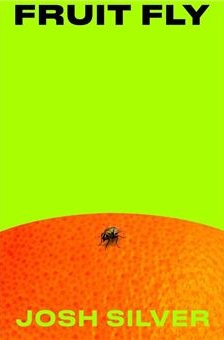
I went into Fruit Fly by Josh Silver knowing very little about it, and I genuinely think that’s the best way to read this book. I’d seen it mentioned a few times, knew people were raving about it, and had a vague idea of the premise, but I wasn’t prepared for just how dark, funny, uncomfortable and completely addictive it would become.
The basic setup is brilliant. Mallory Maddox was once a successful author, but seven years after her debut she’s still struggling to write that difficult second novel. Desperate for an idea that will get people talking about her again, she decides she needs to write something relevant, important and marketable. This eventually leads her to Leo, a young gay man living on the streets, struggling with addiction and doing whatever he needs to do to survive.
And Mallory sees a story.
That alone would have been enough to make an interesting book. There’s so much to explore around authors taking inspiration from real people, who has the right to tell certain stories, the difference between inspiration and exploitation, and the slightly ridiculous way publishing trends can turn somebody’s trauma into the next desirable thing.
But Fruit Fly goes much further than I expected it to.
The story switches between Mallory and Leo, and that was probably my favourite thing about the book. You’re never simply seeing Leo through Mallory’s eyes. He gets to tell his own story, and the difference between how these two characters see themselves, each other and the situations they’re in becomes increasingly important.
Neither of them is particularly straightforward either. They’re messy. They lie. They manipulate people. They make terrible decisions. There were moments when I sympathised completely with one of them, only to find myself questioning that sympathy a few chapters later. Then it would flip again.
I love books that make me constantly reassess characters rather than neatly dividing everyone into good people and bad people, and Fruit Fly does that incredibly well.
Mallory in particular is fascinating. There were times when I absolutely could not believe what she was doing, yet I couldn’t stop reading. She has this incredible ability to justify her own behaviour, and watching those justifications become increasingly questionable is both horrifying and darkly funny.
And this book is really funny.
That surprised me considering some of the subject matter. There are moments that are genuinely grim and upsetting, but then Silver will throw in a line or observation that completely catches you off guard. The humour never felt like it was making light of what Leo is going through either. If anything, it makes the darker moments hit harder because the book can switch tone so quickly.
There’s also something wonderfully uncomfortable about reading a novel about a writer essentially stealing someone else’s life for a novel. As a writer myself, I found that side of it fascinating. Where exactly is the line between being inspired by something and taking something that doesn’t belong to you? Writers are constantly told to observe people, listen to conversations and use the world around them, but what happens when the person you’re observing becomes the story? At what point do they deserve ownership over it?
It gets even messier when publishing gets involved because suddenly it’s not just about art. It’s about money, careers, publicity and what kind of stories the industry believes people want to read.
There’s a lot going on underneath what is, on the surface, a very entertaining thriller.
The publishing satire is vicious at times, and I loved it. The desperation to be relevant, the obsession with authenticity, the way trauma can become marketable, writers worrying about whether they’re the “right” person to tell a particular story — Silver pokes at all of it without turning the novel into a lecture.
But beyond all of that, I was simply invested in Mallory and Leo.
I wanted to know where this bizarre relationship between them was going. Every time I thought I understood what sort of book I was reading, something shifted slightly and I had to reconsider it. There’s this growing sense that things cannot possibly continue the way they are, and that tension kept me flying through the chapters.
And then there’s Ronan.
I’m deliberately not saying much about him because I think discovering the dynamics of Mallory’s marriage is part of the experience, but so much is happening beneath the surface of that relationship. The more you learn, the more your understanding of Mallory changes, without necessarily excusing the things she does.
That’s probably what impressed me most about Fruit Fly: it allows several things to be true at once.
Someone can be a victim and still hurt people. Someone can believe they’re helping another person while actually exploiting them. Someone can do something for apparently good reasons while also benefiting enormously from it. And people can tell themselves almost anything if the alternative means admitting something uncomfortable about who they are.
The book gets pretty heavy in places. Addiction, homelessness, sex work, abuse, mental health and exploitation are all part of the story, so it’s definitely worth checking the content warnings if there are subjects you prefer to avoid. But despite everything it deals with, I never found it relentlessly miserable. There’s enough humour, satire and sheer unpredictability to keep it moving.
By the final section I basically wasn’t putting it down. There were several moments where I thought I knew where Silver was taking things and I was completely wrong. I won’t say anything about the ending other than I loved it. It’s one of those endings that makes you mentally go back through everything you’ve just read and reconsider certain moments with new information.
I finished Fruit Fly and immediately wanted to talk to somebody else who had read it. Those are usually my favourite books.
It’s messy, uncomfortable, funny, sad, occasionally infuriating and completely compelling. It asks some genuinely interesting questions about storytelling, ownership, authenticity and exploitation while still remembering that a novel actually needs to be entertaining.
And this absolutely is.

