

⭐ ⭐ ⭐ ⭐
There’s always something a little strange for me when I pick up a Tiffany Aching book. I never dive into them with the same immediate excitement I get from some of the other Discworld novels, and every single time it takes me a while to properly settle into the story. Wintersmith was no different. I spent the first chunk of the book feeling like I was still waiting for it to click, wondering if this would end up being one of the Tiffany books I struggle with more than enjoy. But somehow Terry Pratchett always pulls it together in the end, and by the time I finished, I found myself glad I stuck with it.
Tiffany herself has never quite become one of my favourite Discworld characters, and I think part of that is because these books often feel more reflective and slower than the chaos-heavy stories centred around characters like Sam Vimes or the Wizards. That’s not a criticism exactly, just a different tone that takes me longer to get into. Tiffany’s stories tend to feel quieter at first, more focused on responsibility, growing up, and understanding the consequences of your actions. Wintersmith leans heavily into that.
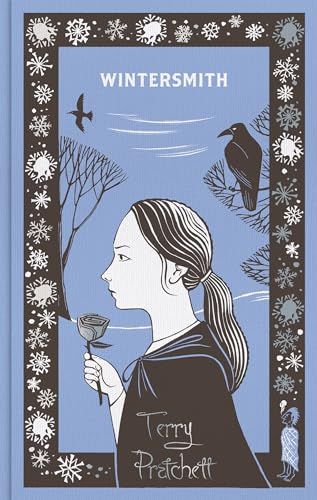
The actual premise is wonderfully bizarre in the way only Pratchett could manage. Tiffany accidentally attracts the attention of the Wintersmith, essentially the embodiment of winter itself, and what follows becomes this strange mix of fairy tale, coming-of-age story, and awkward supernatural romance. There’s something both funny and unsettling about the Wintersmith trying to understand humanity through Tiffany, creating snowflakes in her shape and attempting grand gestures that completely miss the point. It’s creepy in places without ever losing that Discworld charm.
As always, Pratchett’s writing carries everything effortlessly. Even when I wasn’t fully invested early on, the dialogue, humour, and observations about people kept me reading. He has this way of slipping genuinely thoughtful ideas into jokes so naturally that you barely notice until a line sticks with you afterwards. The book has a lot to say about identity and growing into yourself, especially during that uncomfortable stage where people begin seeing you differently, whether you’re ready or not.
The Nac Mac Feegle continue to be absolute highlights too. Every time they appeared, the book instantly became more entertaining. Their ridiculous arguments, accidental destruction, and chaotic loyalty add so much energy whenever the story risks becoming too introspective. They’re the perfect balance to Tiffany’s more serious personality.
I also liked how winter itself almost becomes a character. There’s a strong atmosphere running through the whole novel: icy landscapes, endless snow, strange cold silences. Pratchett makes the setting feel magical without overdescribing it, and there are scenes here that feel genuinely beautiful.
That said, I still can’t say the Tiffany Aching storyline is among my favourites in Discworld overall. There’s something about the pacing of these books that always keeps me at a slight distance for the first half, and Wintersmith definitely suffers from that slower build. It’s never boring, but it takes patience before the emotional side really starts landing properly.
Still, this ended up being another case of me finishing a Tiffany Aching novel and realising I enjoyed it far more than I thought I was going to while reading the opening chapters. Terry Pratchett had an annoying habit of proving me wrong like that. Even when these books aren’t my personal favourites, I’m rarely disappointed by where they eventually end up.

