

Retro Rewind: Video Store Simulator is a management sim that was released in March 2026 for PC via Steam and allows players to manage a 1990’s VHS rental store.
I’m not usually the kind of person who goes anywhere near simulation games like this. Running a shop, managing stock, dealing with customers—it’s never really been my thing. But there was something about Retro Rewind: Video Store Simulator that made it hard to ignore. Maybe it’s the whole 90s video shop setting, maybe it’s the novelty of it, or maybe it’s just that curiosity of “how far can this idea actually go?” Either way, I gave it a go—and I’m glad I did.
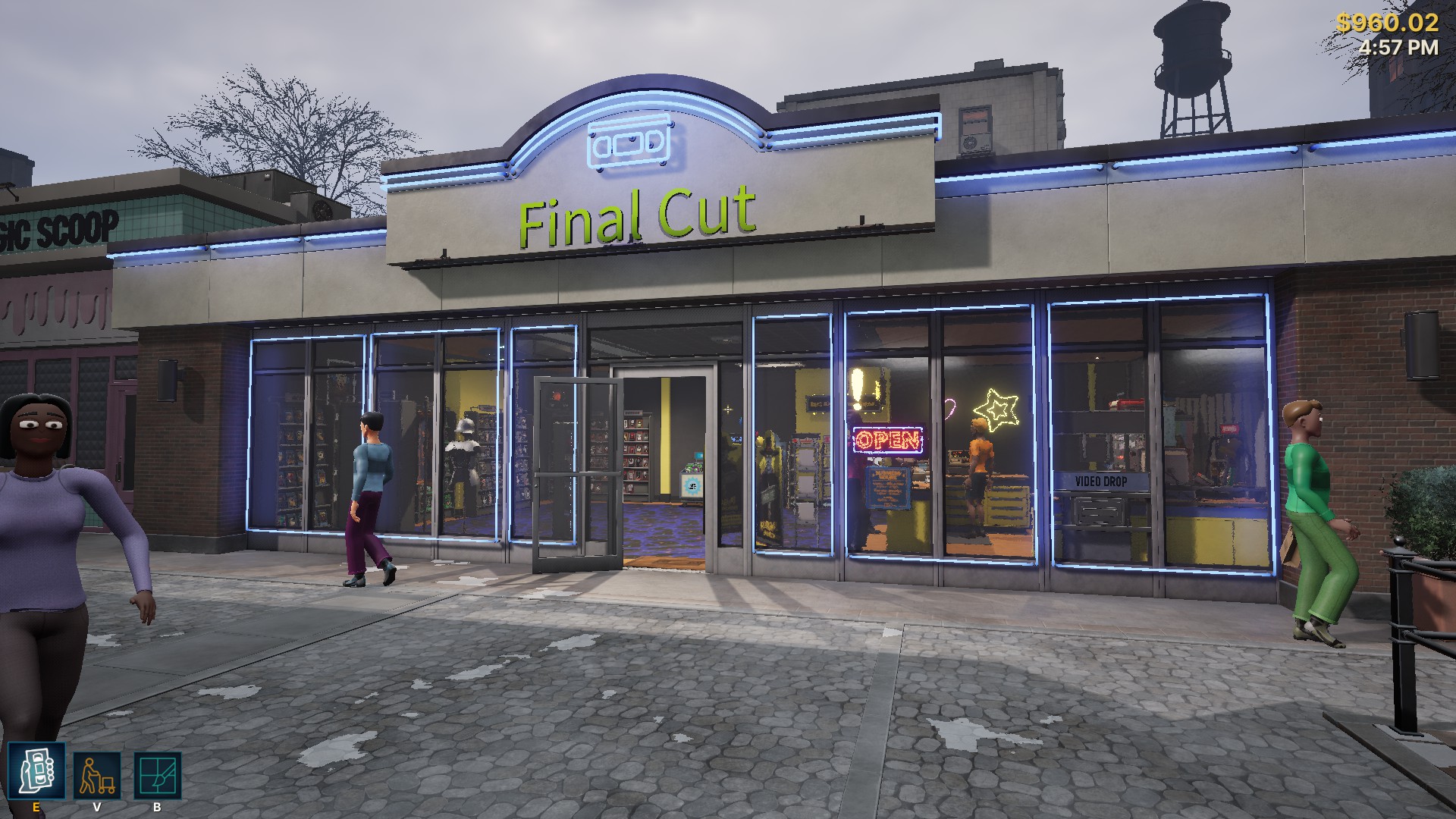
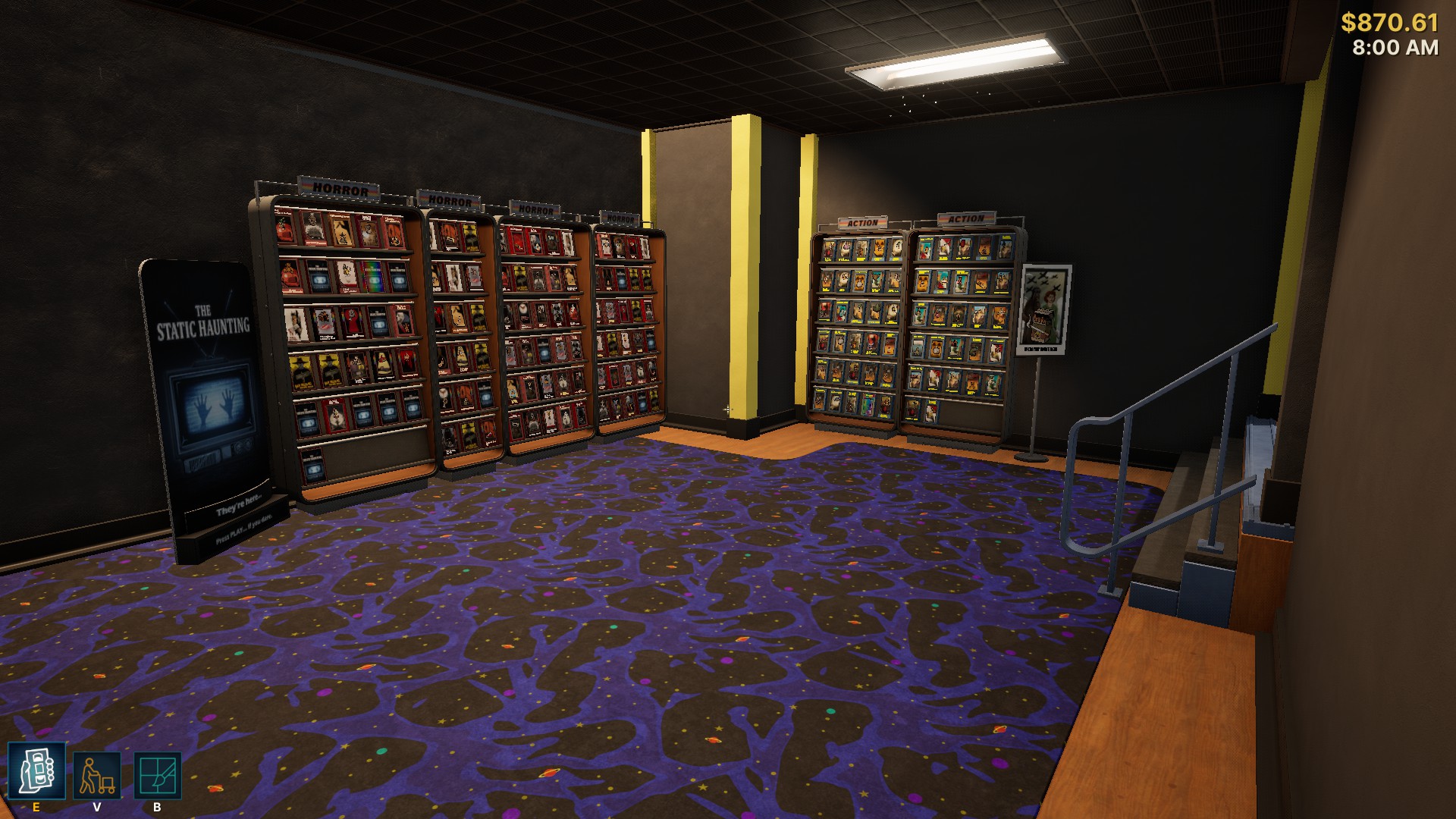
The game drops you straight into owning a small video rental store, and from the start, it leans fully into that era. You’re stocking shelves with VHS tapes, checking films in and out, dealing with late returns, and gradually expanding your shop. It’s all very straightforward, but that simplicity is part of what makes it work. There’s something oddly satisfying about getting your shelves organised just right, watching customers wander in, and slowly building things up from a slightly run-down shop into something that actually feels successful.
What surprised me most was how quickly it pulled me in. I went in expecting to bounce off it after an hour or two, but it has that “just one more task” pull to it. You restock a shelf, then you think you might as well order a few more tapes, then you notice a queue forming at the counter, and suddenly you’ve been playing for far longer than you meant to. It’s not intense or demanding, but it keeps you engaged in a steady, low-pressure way.
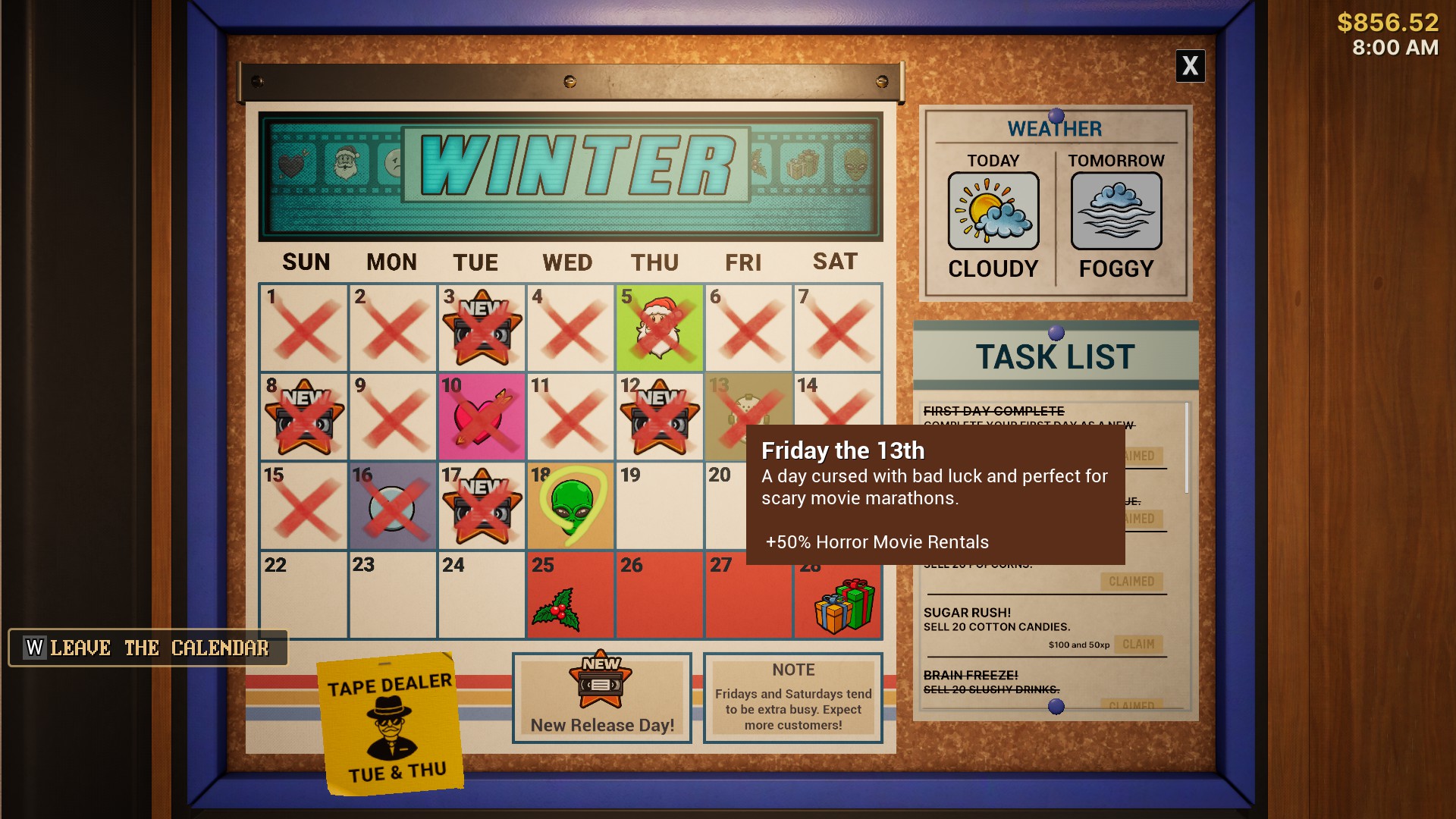
One thing I did really like—and didn’t expect to care about as much as I did—is the sense of progression. You’re not just repeating the same actions endlessly; you’re levelling up your store, unlocking new items, decorations, and types of stock that let you shape the place a bit more to your liking. It gives you a reason to keep going beyond just maintaining the shop, even if the core gameplay itself doesn’t change dramatically. Alongside that, the in-game calendar adds a nice touch. Different times of year bring small shifts in customer behaviour and sales, with things like Halloween and Christmas giving you busier periods and a bit of variation in how the shop feels. It’s not a massive system, but it does just enough to stop everything blending into one long, identical stretch.
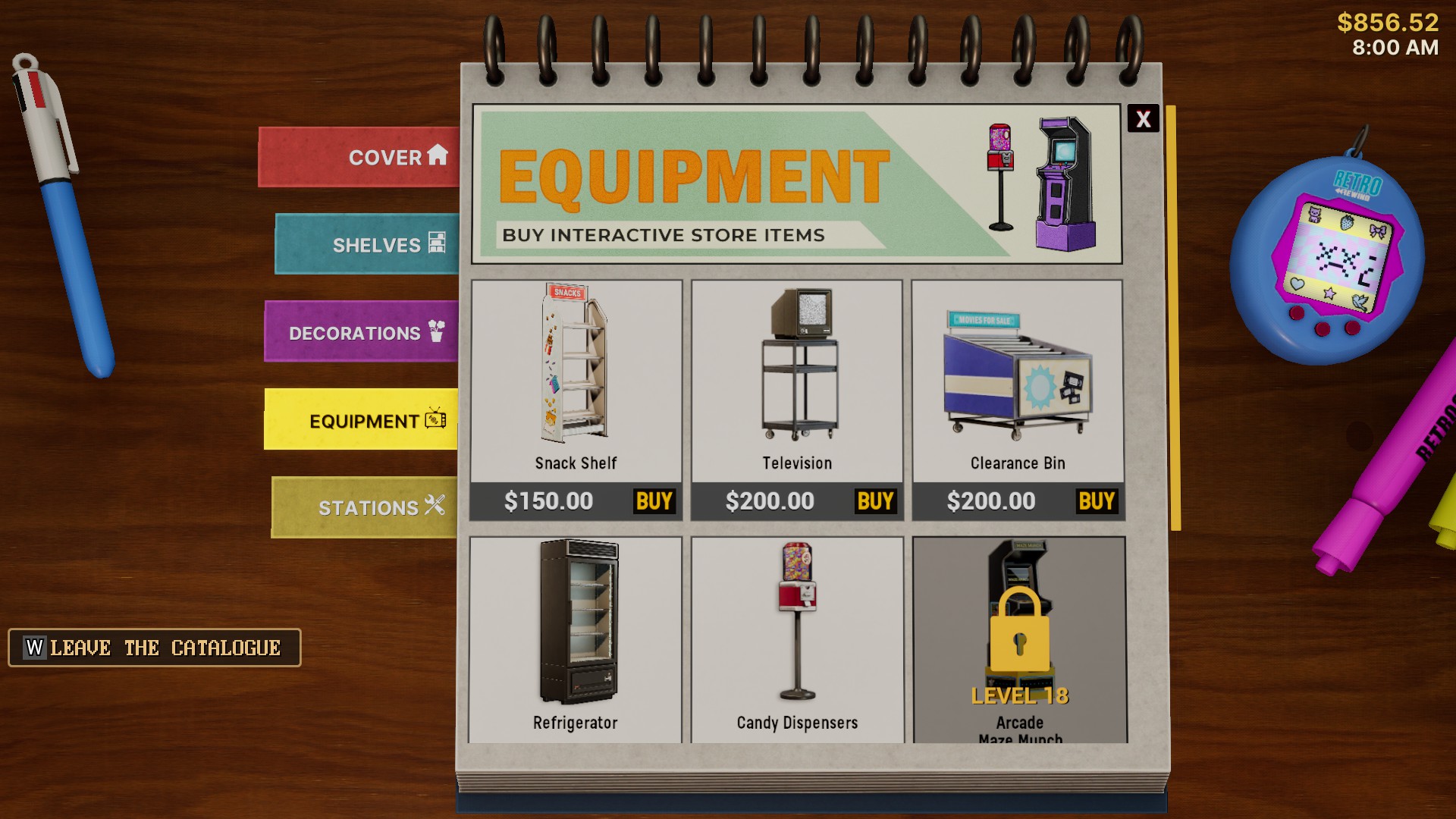
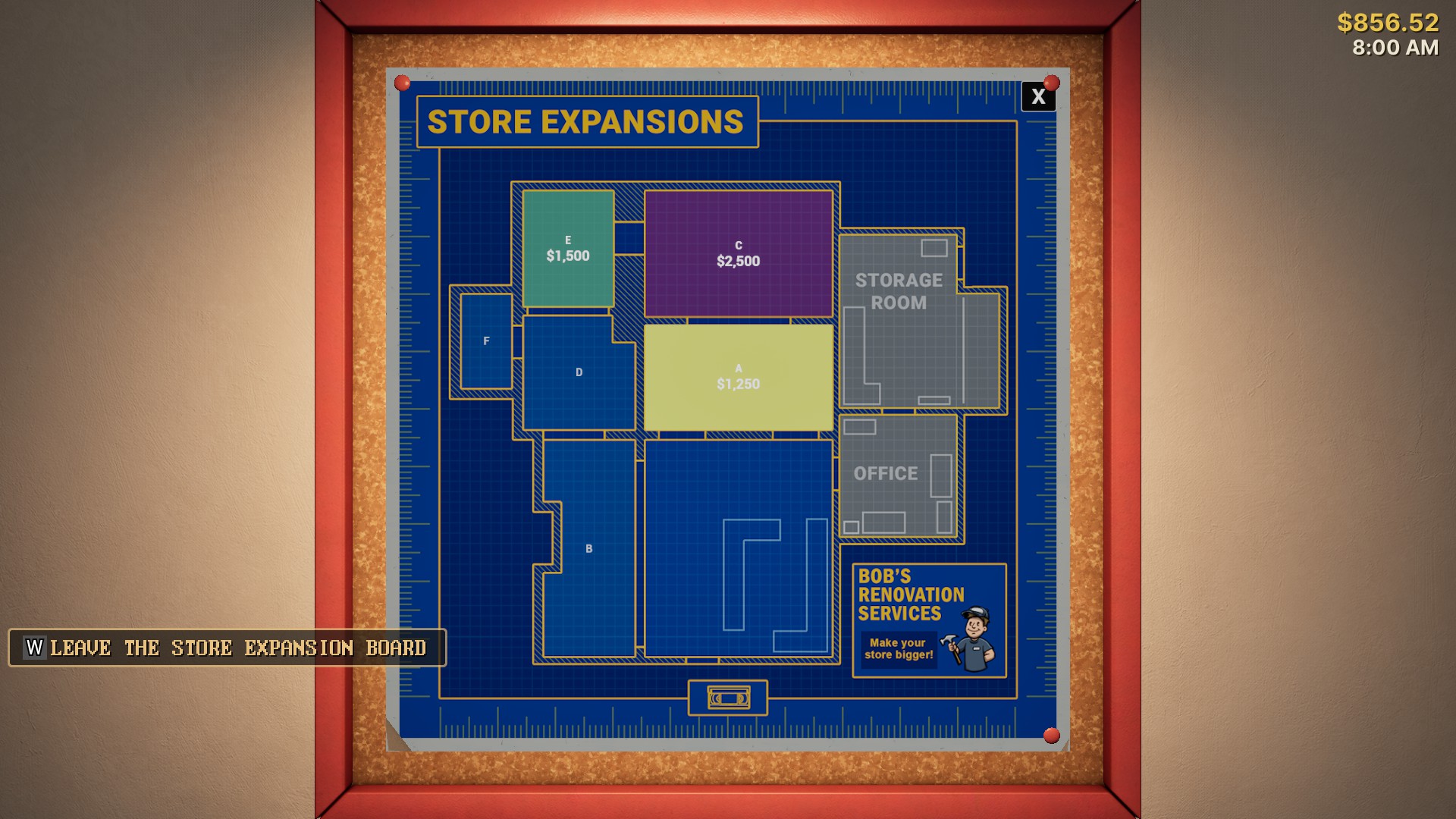
That said, the longer you spend with it, the more you start to see its limits. The core loop doesn’t really evolve much. You unlock more tapes, expand the shop, and get busier, but what you’re actually doing moment to moment stays largely the same. After a while, it can start to feel repetitive, especially if you’re looking for something with deeper management systems or a stronger sense of challenge. I found it worked best in shorter sessions, because that’s when it stays at its most enjoyable.
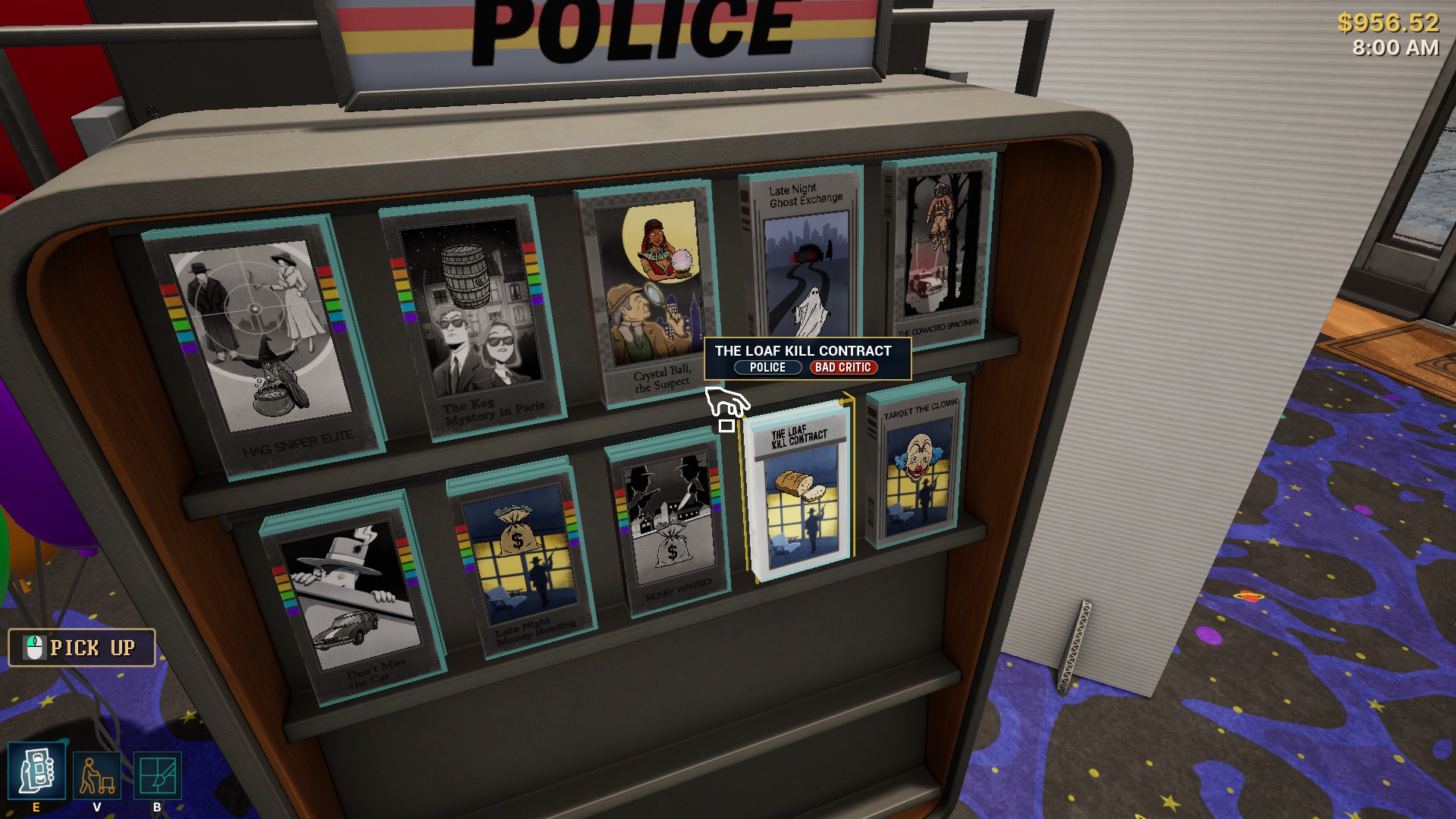
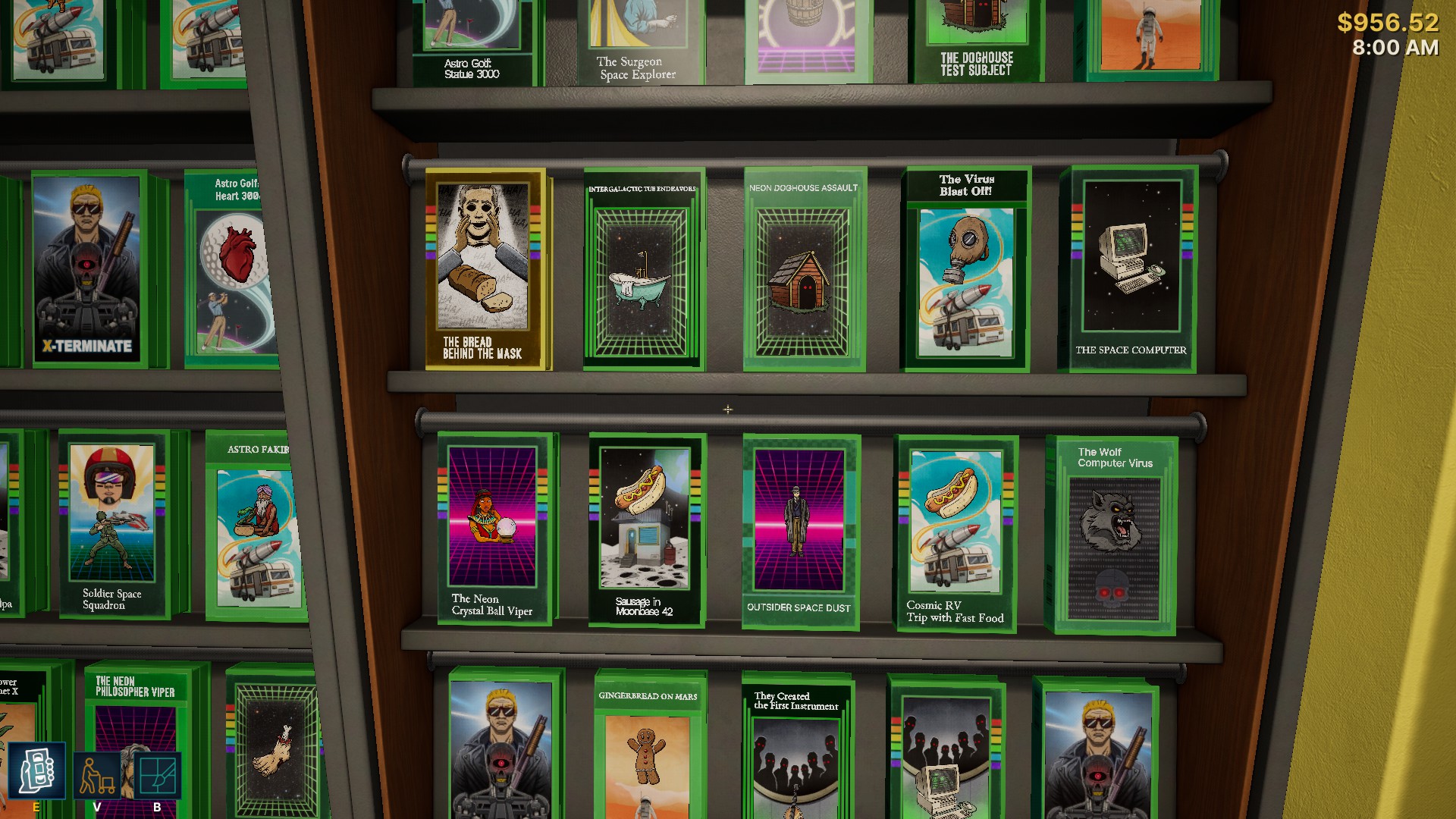
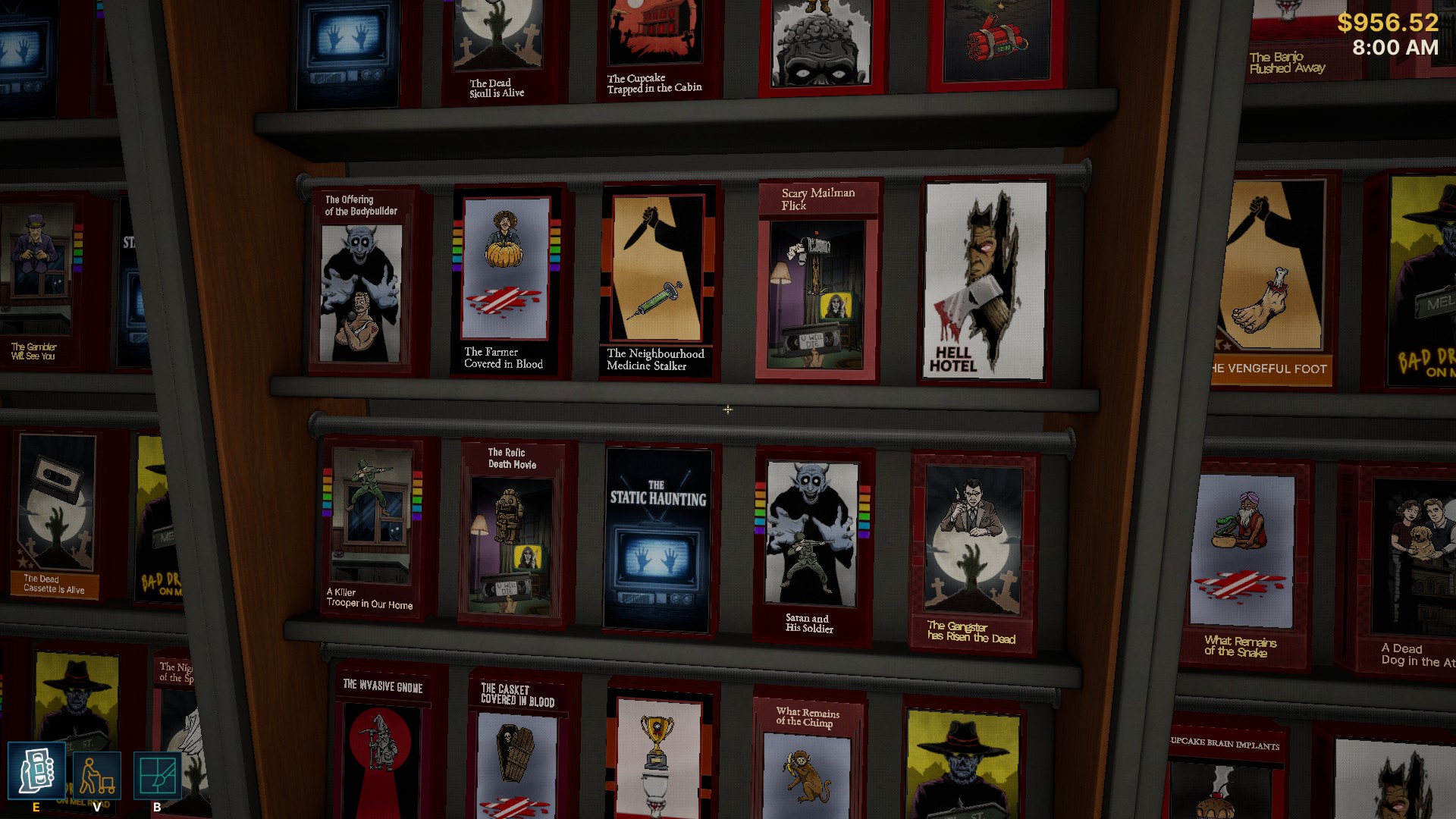
The presentation does a lot of the heavy lifting. The fake film titles, the chunky old-school interfaces, and the overall look of the shop all sell the idea really well. It’s not doing anything technically impressive, but it doesn’t need to. It commits to the setting and sticks with it, and there’s a bit of humour running through everything that keeps it from feeling too dry.
Where it falls slightly short is in how long it stays fresh. Once you’ve built up your shop and unlocked most of what there is, there isn’t a huge amount left to discover. It doesn’t feel like something you’ll keep coming back to for months on end. It’s more the kind of game you enjoy for a solid stretch, get what you want out of it, and then move on.
Even with that, I still landed on an 8/10. It’s not trying to be the deepest or most complex simulator out there, and I don’t think it needs to be. For someone like me—who doesn’t usually play this sort of thing—it was surprisingly easy to get into and hard to put down, at least for a while. It’s simple, a bit repetitive if you push it too far, but genuinely enjoyable in a way I didn’t quite expect.

