

⭐⭐⭐⭐⭐
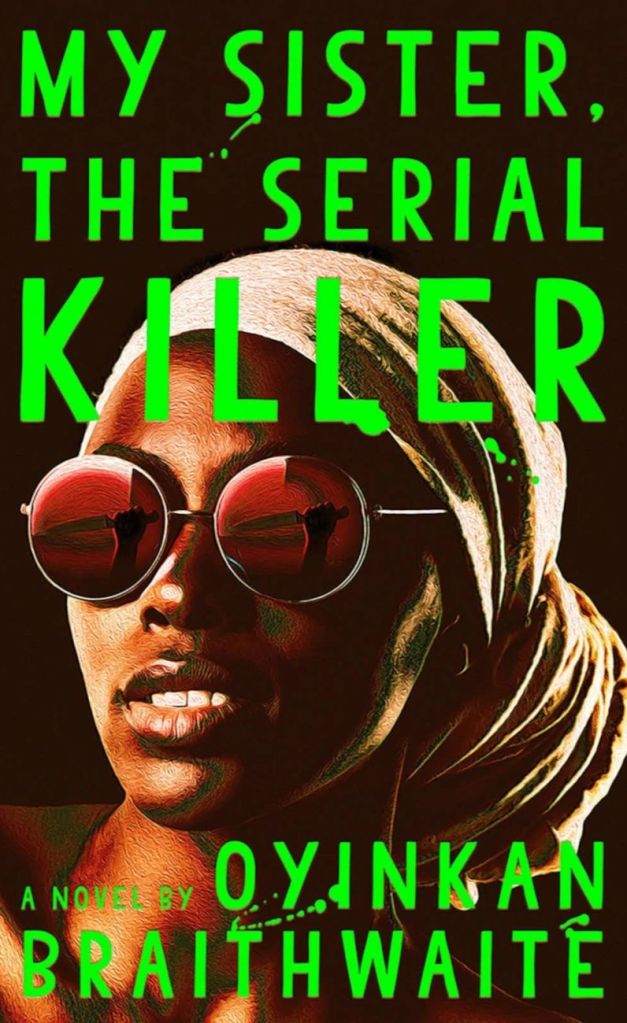
I went into My Sister, the Serial Killer expecting something a bit louder, a bit more overtly shocking. The title kind of dares you to brace yourself for blood, chaos, and brutality. But what Oyinkan Braithwaite actually delivers is something far more unsettling—and, honestly, far more impressive.
This isn’t a story that lingers on the act of murder itself. There’s no indulgence in gore, no drawn-out violence designed to make you flinch. Instead, it quietly steps around all of that and focuses on what comes after. The clean-up. The excuses. The emotional debris. It’s about what it means to be the person who gets the phone call, who brings the bleach, who helps drag the body. And more importantly, it’s about what that does to you over time.
What really stuck with me is how matter-of-fact everything feels. Korede isn’t panicking in the way you’d expect. She’s tired. Frustrated. Almost resigned to it all. There’s something deeply chilling about how routine it becomes—like this is just another problem to solve, another mess to tidy away before morning. That quiet normalisation is where the real horror lives.
The restraint in the writing is what makes it work so well. It’s sharp, clean, and deceptively simple. Nothing feels over-explained, and because of that, every line carries weight. You’re left to sit in the gaps, to read between what’s said and what’s avoided. It trusts you to feel the discomfort without spelling it out, which I always appreciate.
And then there’s the relationship at the centre of it. That push and pull between loyalty and resentment feels incredibly real. Korede loves her sister—there’s no question about that—but that love comes with a cost. You can feel it wearing her down, little by little. It’s not dramatic in a big, explosive way. It’s subtle. Quiet. Suffocating. The kind of tension that builds under the surface rather than erupting.
What I found especially effective is how the book makes you complicit. You’re right there with Korede, hoping things don’t spiral, even though you know they will. You start to understand her choices, even when they cross lines. That moral grey area is handled so well—it never feels forced or overly clever, just painfully believable.
It’s also surprisingly funny in places, which shouldn’t work given the subject matter, but it absolutely does. The humour is dry and understated, cutting through the tension just enough to make everything feel even more human. It never undercuts the darker elements—it just makes them sharper.
By the end, I realised this isn’t really a story about a serial killer at all. It’s about responsibility, family, and the quiet ways people justify the things they should probably run from. It’s about what happens when love and fear get tangled together so tightly you can’t separate them.
It’s subtle, controlled, and incredibly effective. No spectacle, no excess—just a slow, creeping sense of unease that sticks with you long after you’ve finished.
Absolutely loved it. Five stars without hesitation.
 Gareth Ellis - Author