
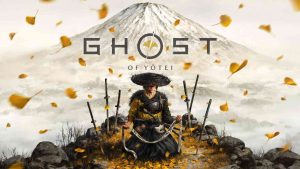
Ghost of Yōtei launched on 2 October 2025, exclusively for the PlayStation 5. It’s one of those “built for next-gen only” titles — no PS4, no PC (at least not yet) — so you’ll need a PS5 to play it.
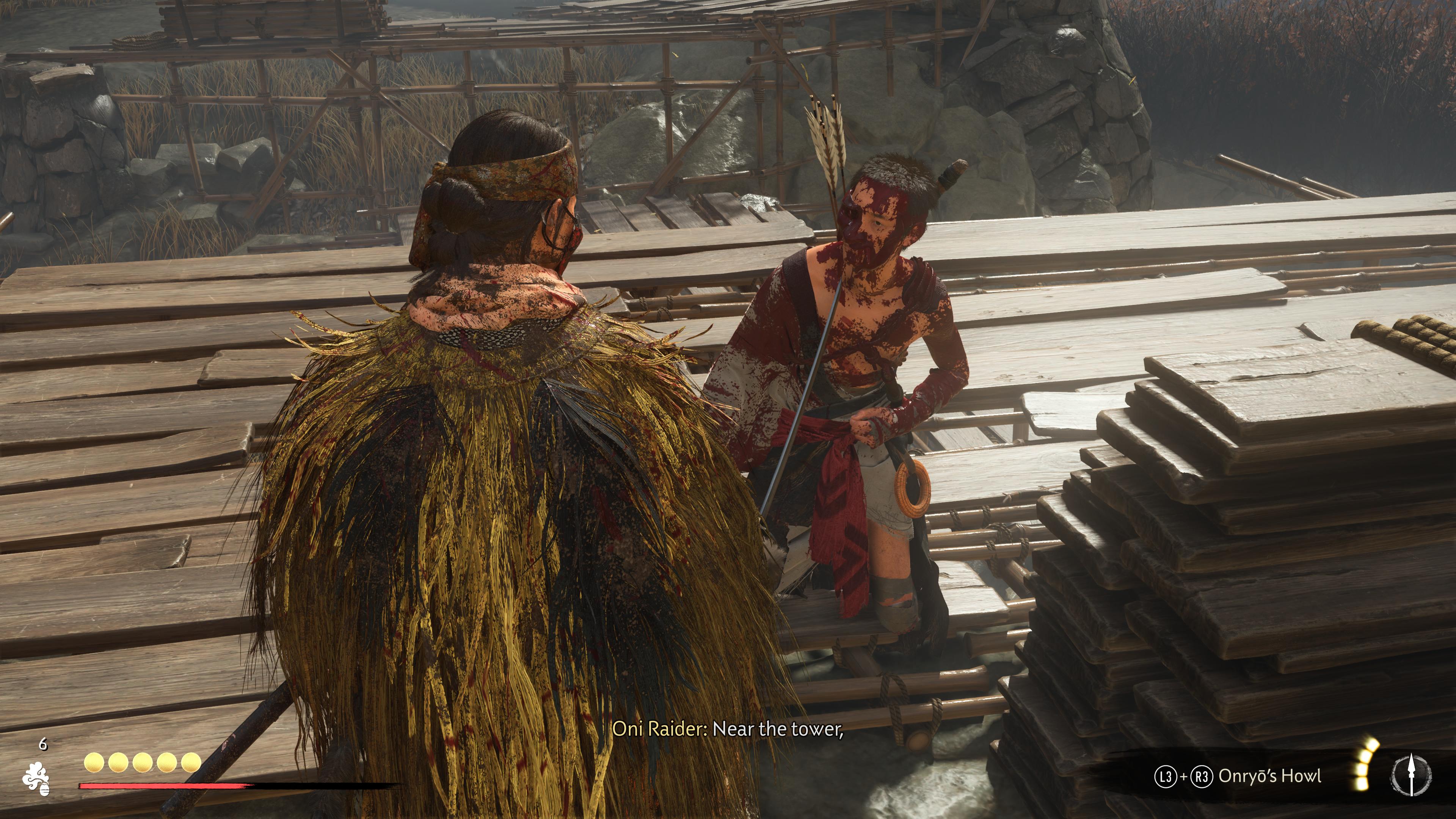
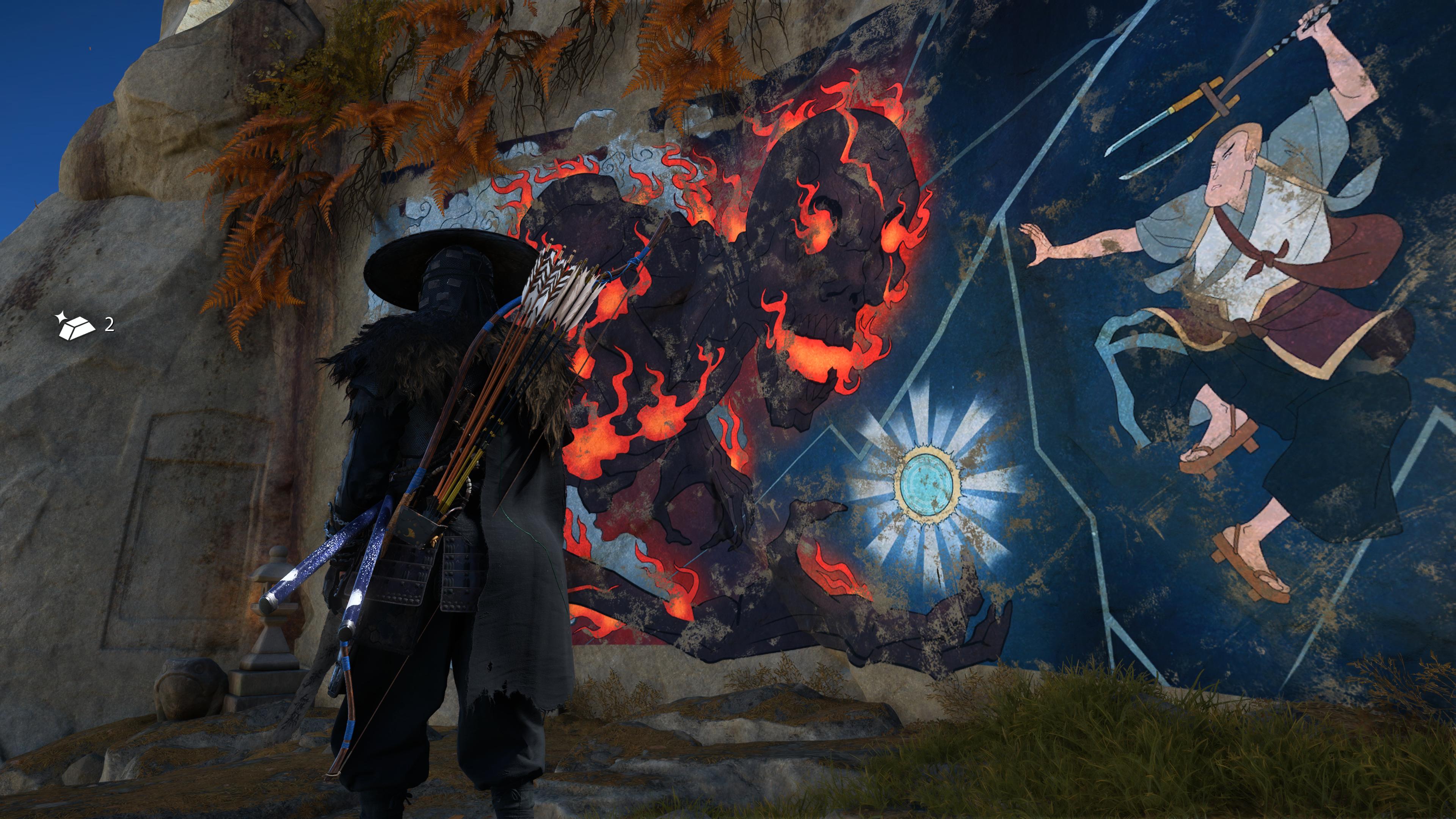
There’s a lot of love and polish here. The first thing you’ll notice is just how visceral and cinematic many of the combat encounters feel. Atsu, the new protagonist, has a satisfying weight to her strikes. The parries and counters feel crisp, and there’s a real sense of danger in every clash. The game leans heavily into the samurai-movie aesthetic, and it generally pulls it off with style and restraint.
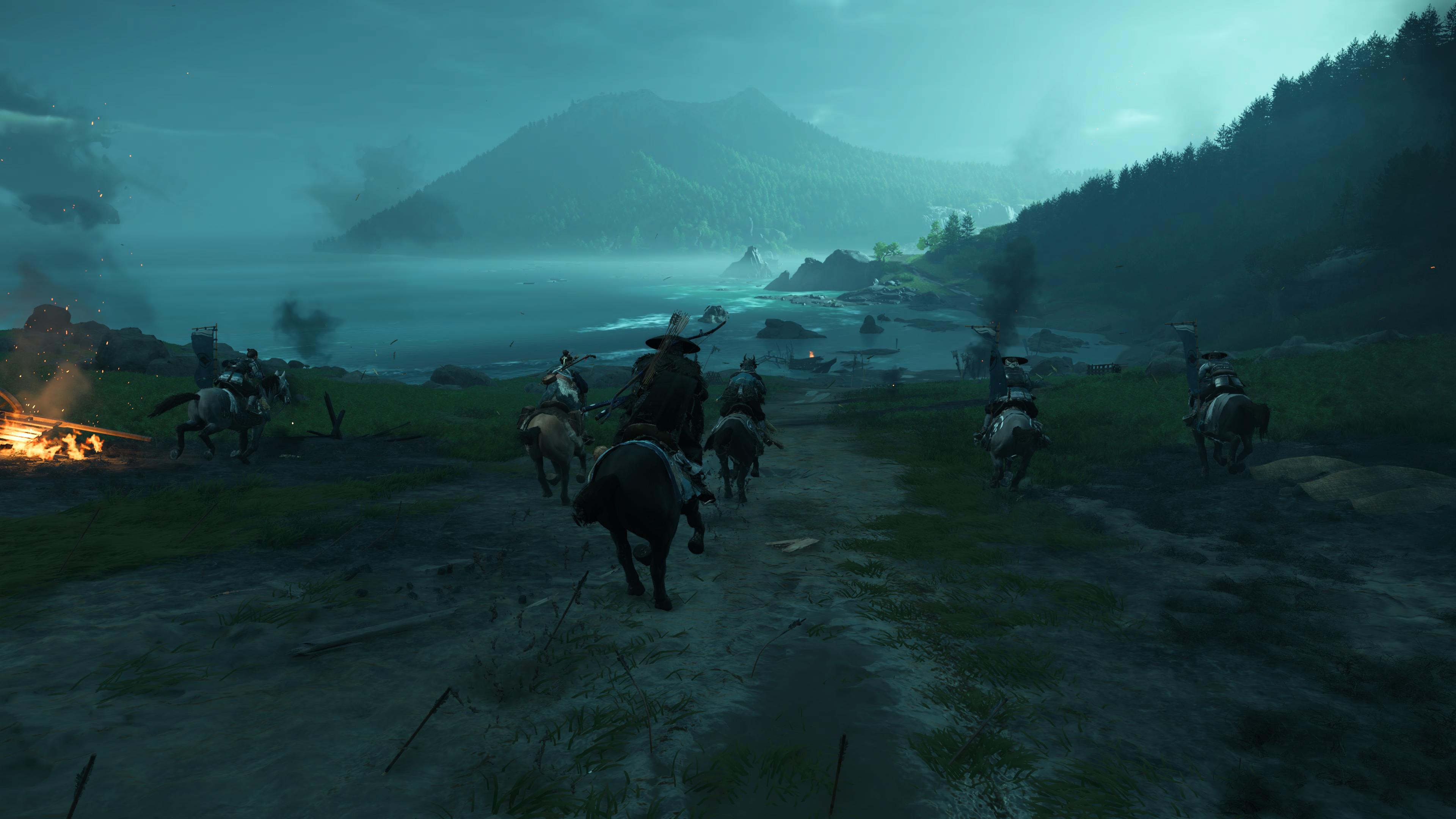
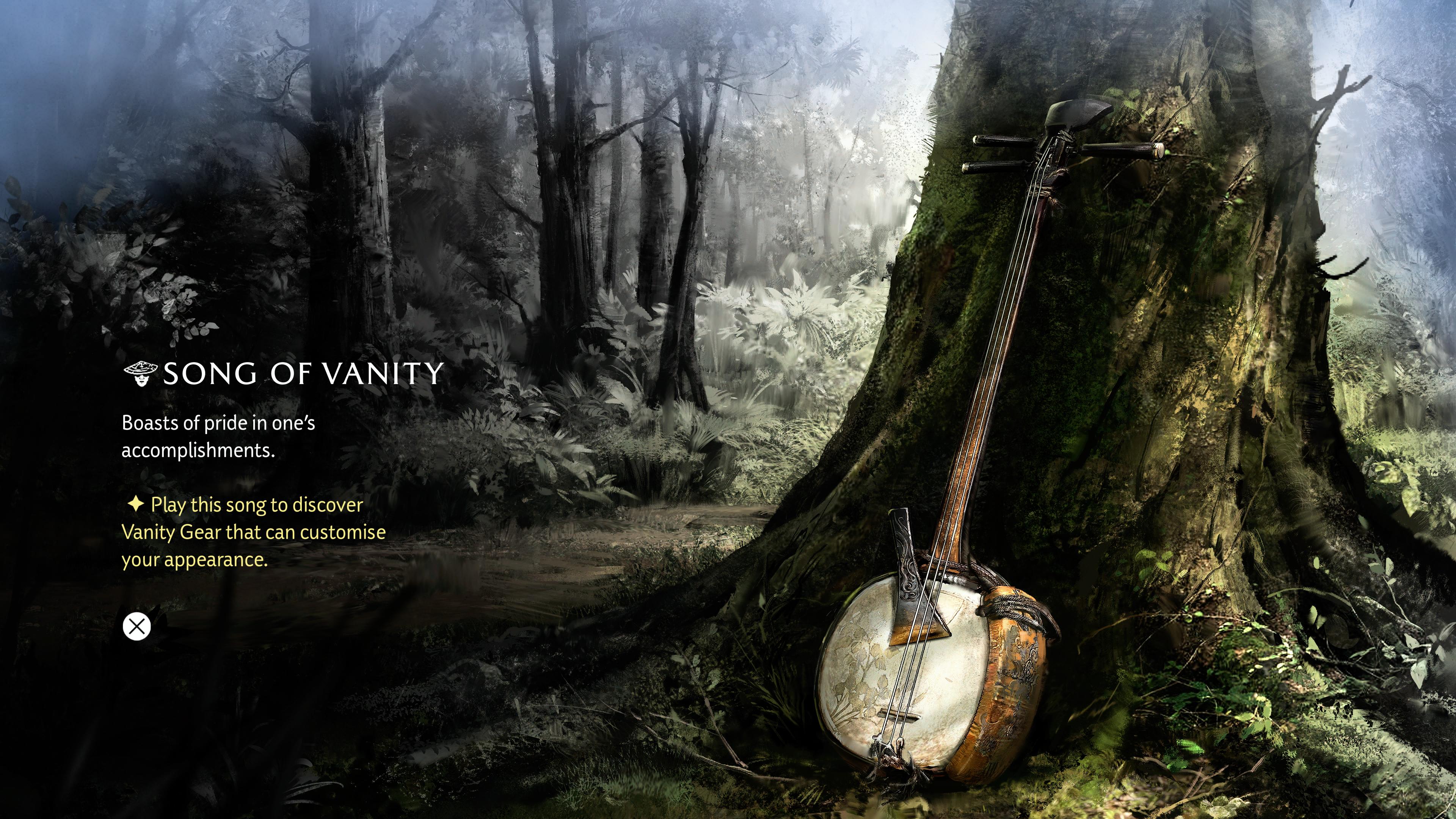
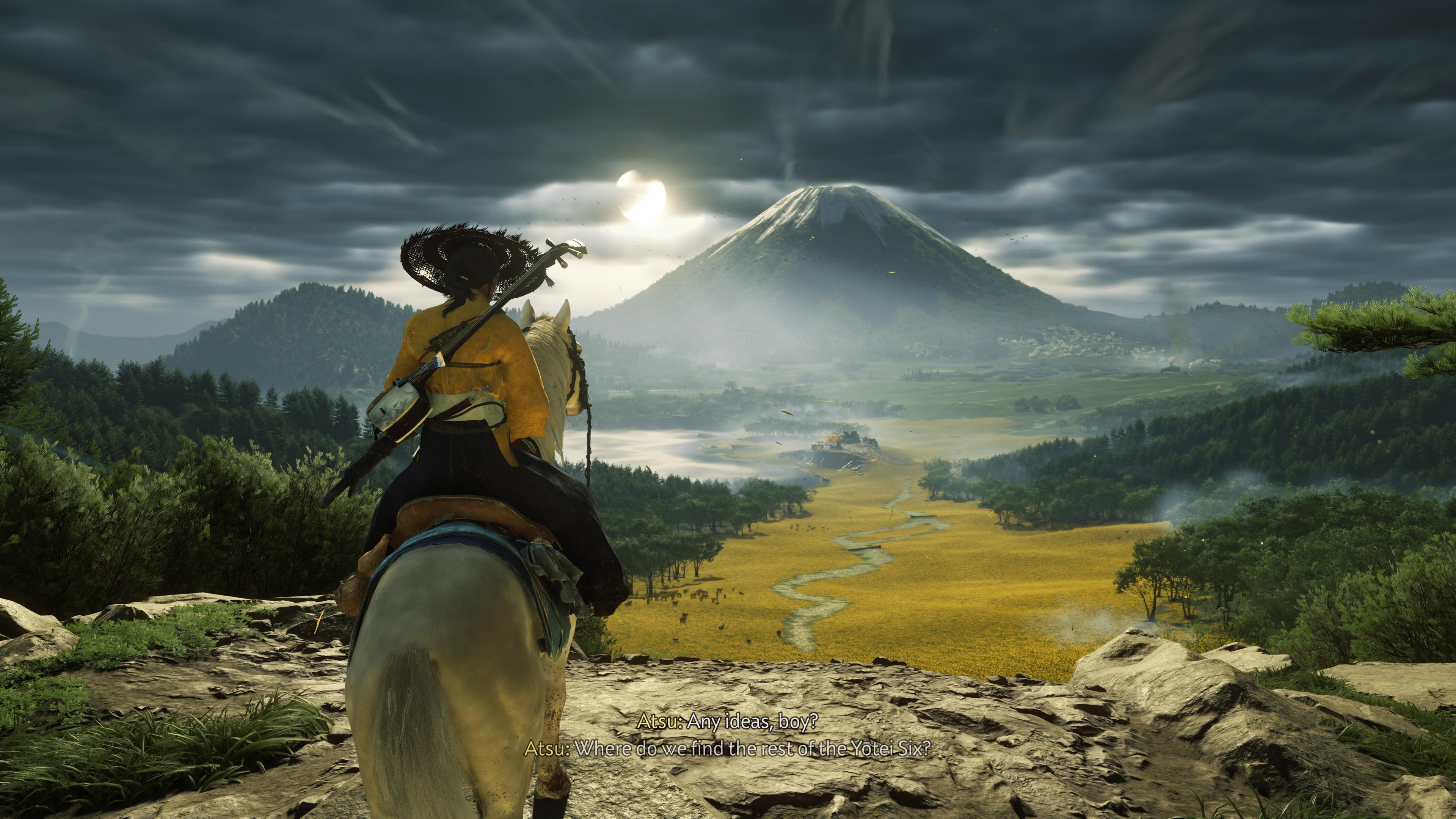
The world around Mount Yōtei is stunning. The weather shifts, the lighting changes, and the seasonal transitions are genuinely breathtaking. You can spend ages just riding through the forests, listening to ambient cues, watching the light spill through the trees. It’s the kind of world that feels alive even when you’re not doing much at all. The lore helps too — the “Yōtei Six”, Atsu’s past, and the many side characters give the whole setting depth and history.
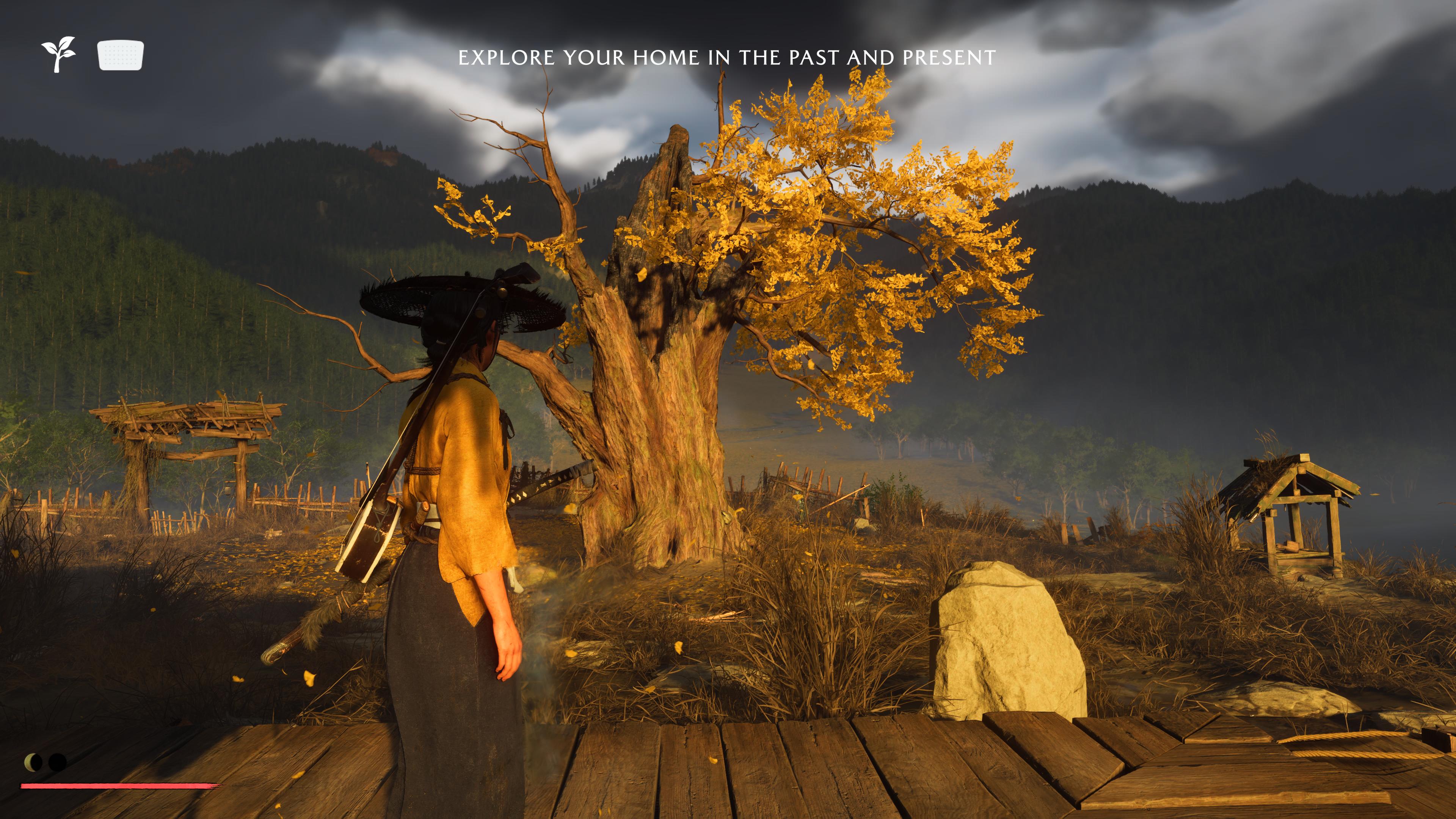
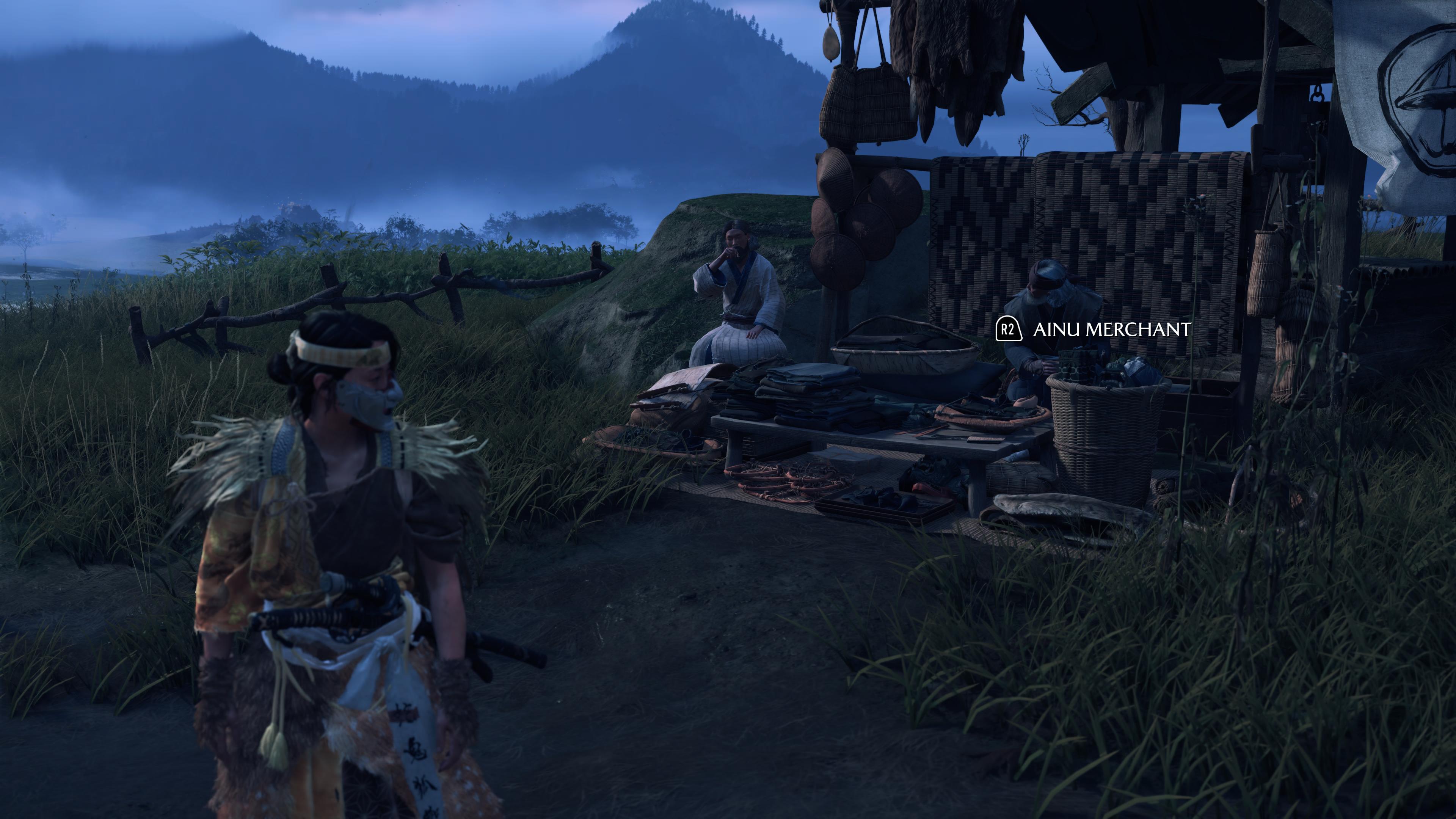
The structure is flexible, allowing you to choose what challenge you want to face first, and to get lost in optional content without feeling too pressured. The pacing is mostly well-balanced, though there are moments where the usual open-world lull sets in. Thankfully, the storytelling and world design are strong enough to carry you through.
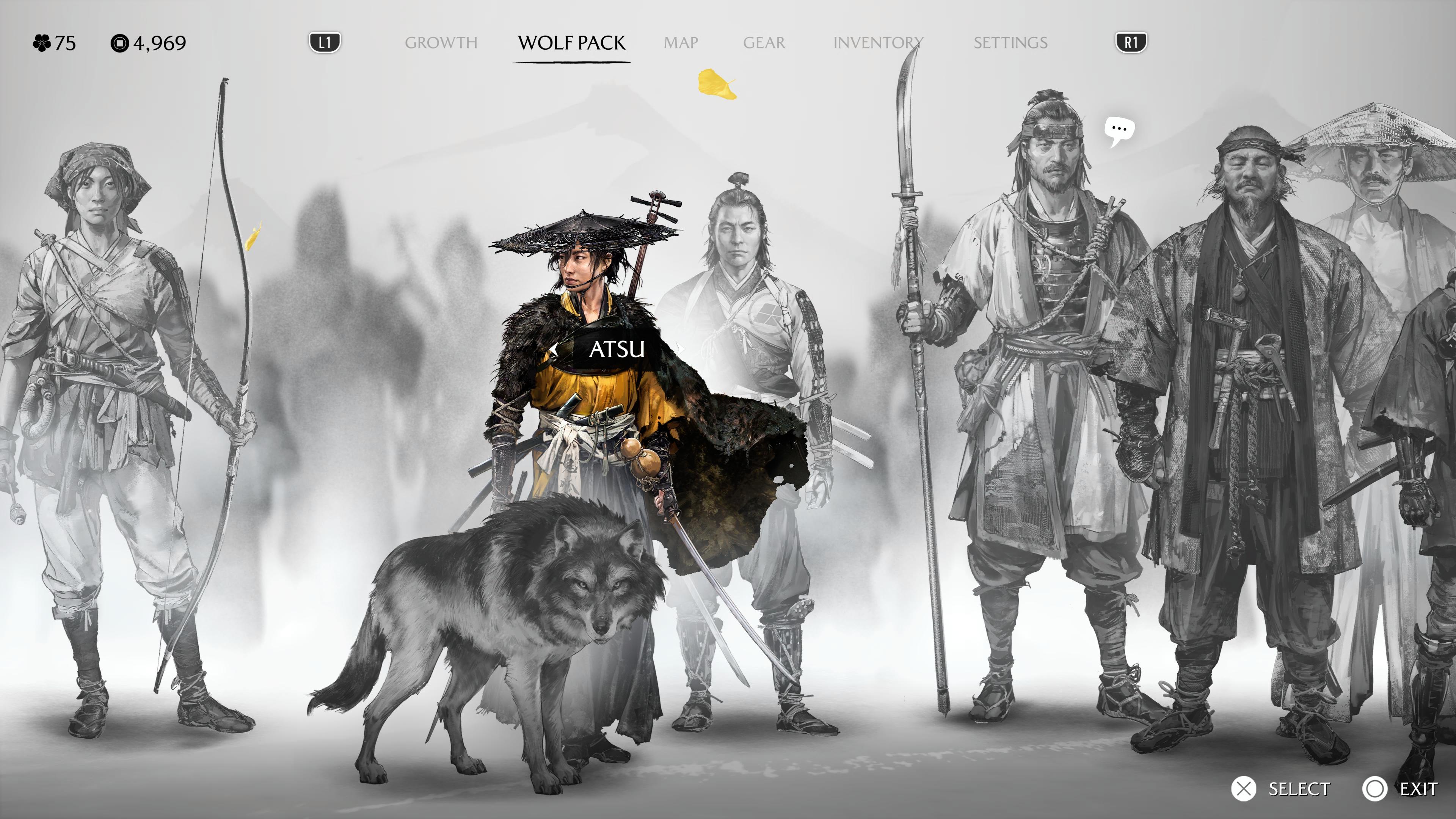
One of the game’s nicest surprises is the wolf companion, who doesn’t travel with you constantly but appears at unpredictable moments to lend a hand (or paw) in battle. You might be struggling against a group of bandits or ambushed by one of the Yōtei Six’s lieutenants when, out of nowhere, Kiba emerges from the mist, snarling and tearing into enemies with startling ferocity. It’s not just a gimmick either — she feels woven into the world rather than tethered to you. Sometimes she’ll vanish for hours, only to reappear when you’ve nearly forgotten she exists, and that randomness gives her a mythical quality, as though she’s some spirit guardian keeping watch from the treeline. It’s a clever way to blend narrative and gameplay, turning what could’ve been a predictable companion feature into something quietly magical.
Of course, it’s not perfect. Repetition creeps in, especially if you spend hours doing side activities. Cutting bamboo, climbing to altars, following foxes — it’s all fine, but not particularly fresh. The “filler” content never feels terrible, just occasionally predictable. The accessibility options could also use a boost; features like colourblind support are missing, and some mission paths can be confusing to follow (but at least there are no “yellow paint” complaints).
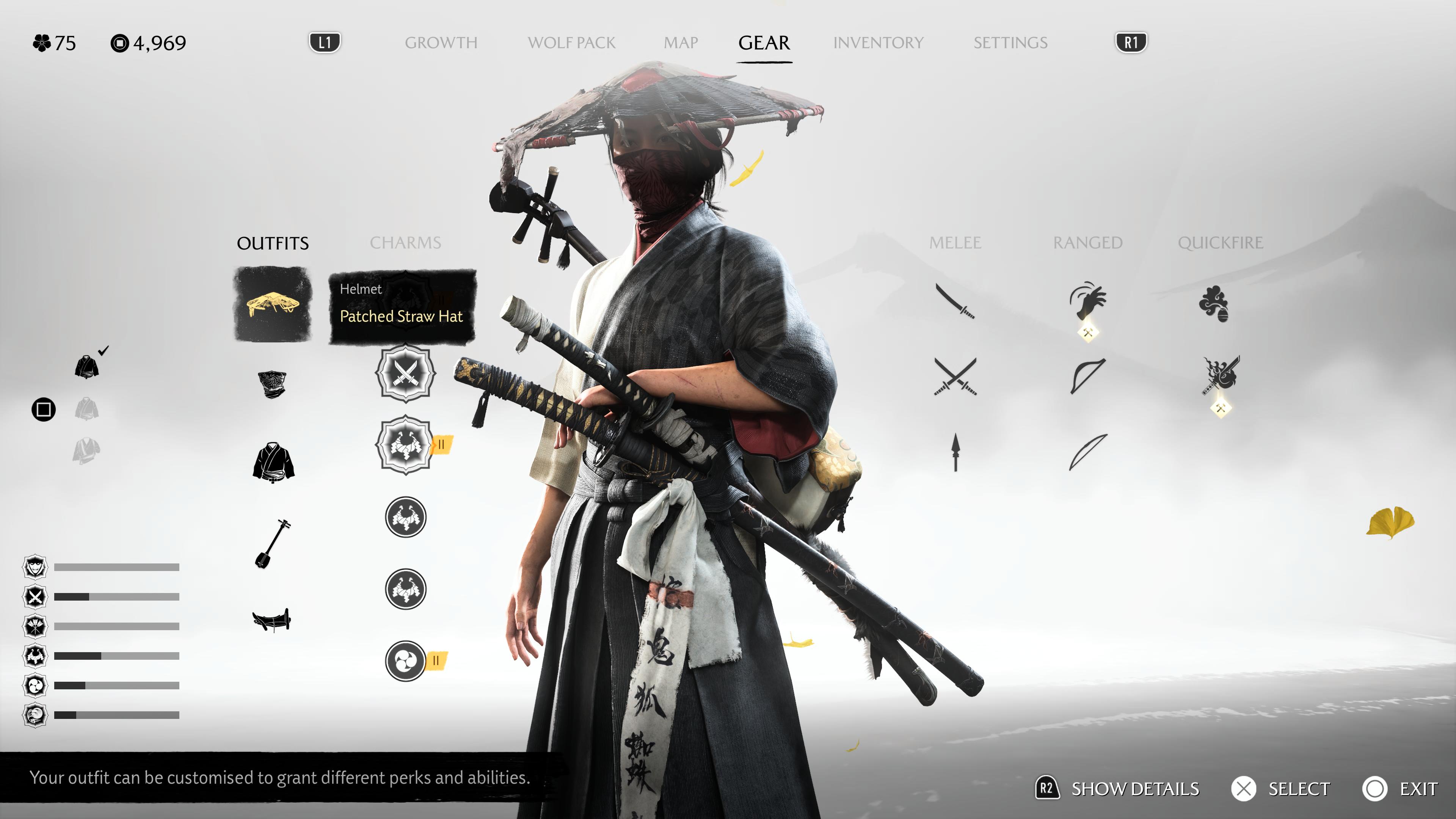
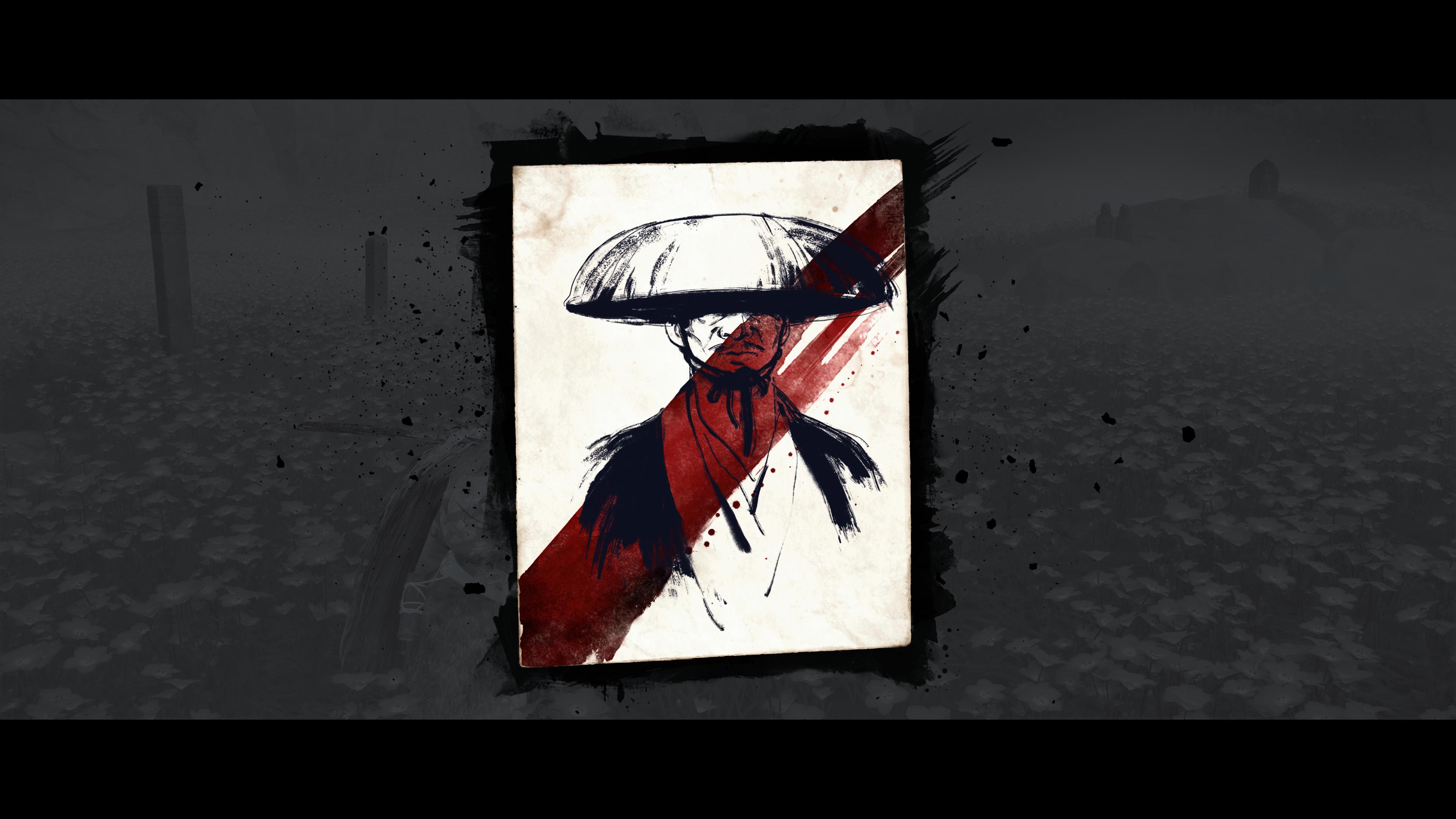
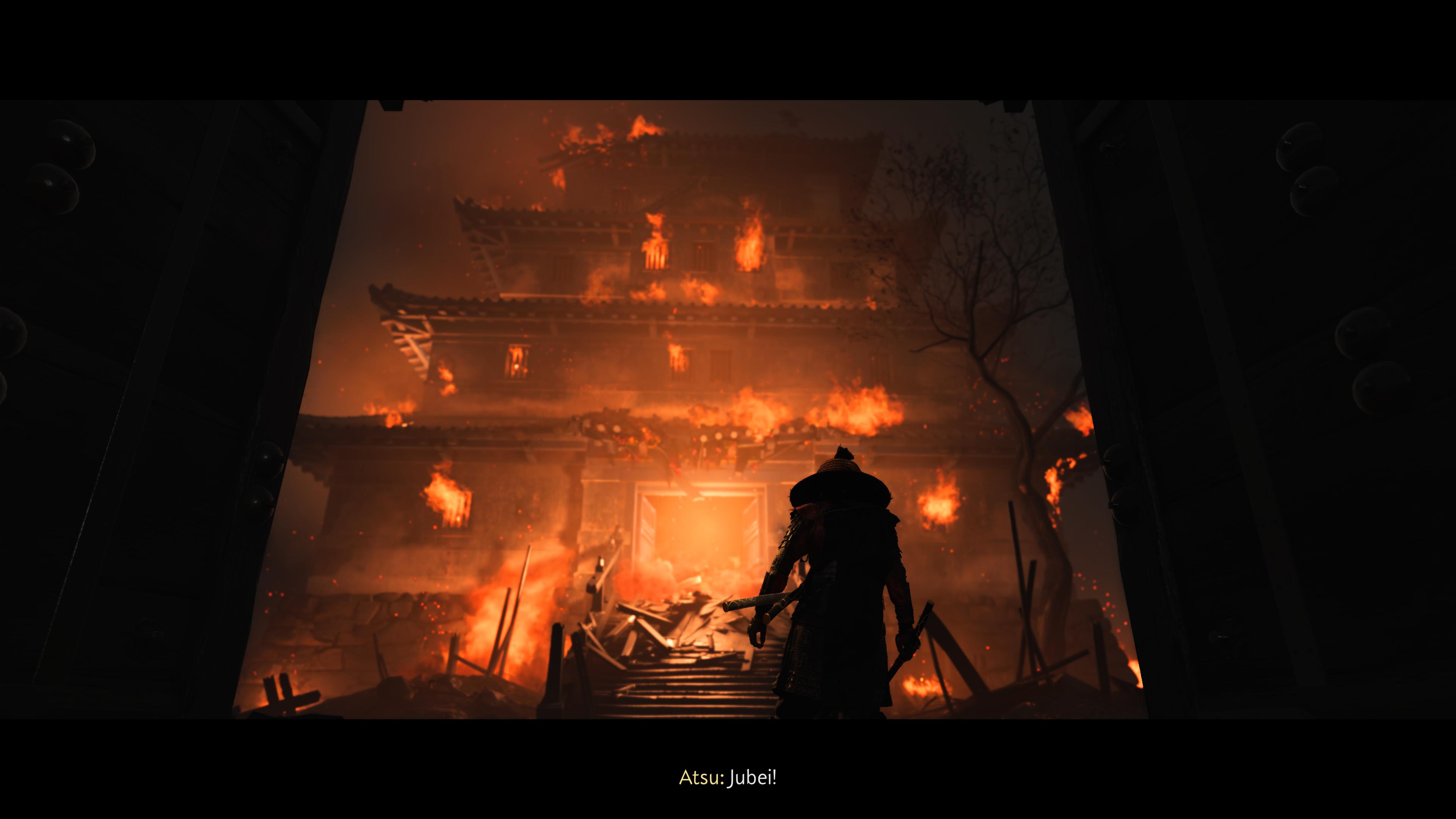
A few story moments also overreach. There are cutscenes that linger a bit too long or push emotional beats too hard, though never to the point of ruining the mood. The tone mostly stays grounded, and Atsu’s personal journey is well-handled.
And yes — is it breaking all new ground? No. Does that matter? No. Ghost of Yōtei doesn’t reinvent the open-world action genre, but it refines it beautifully. It builds on what came before, particularly Ghost of Tsushima, without feeling like a shallow retread. It’s confident in what it wants to be and rarely stumbles in that pursuit.
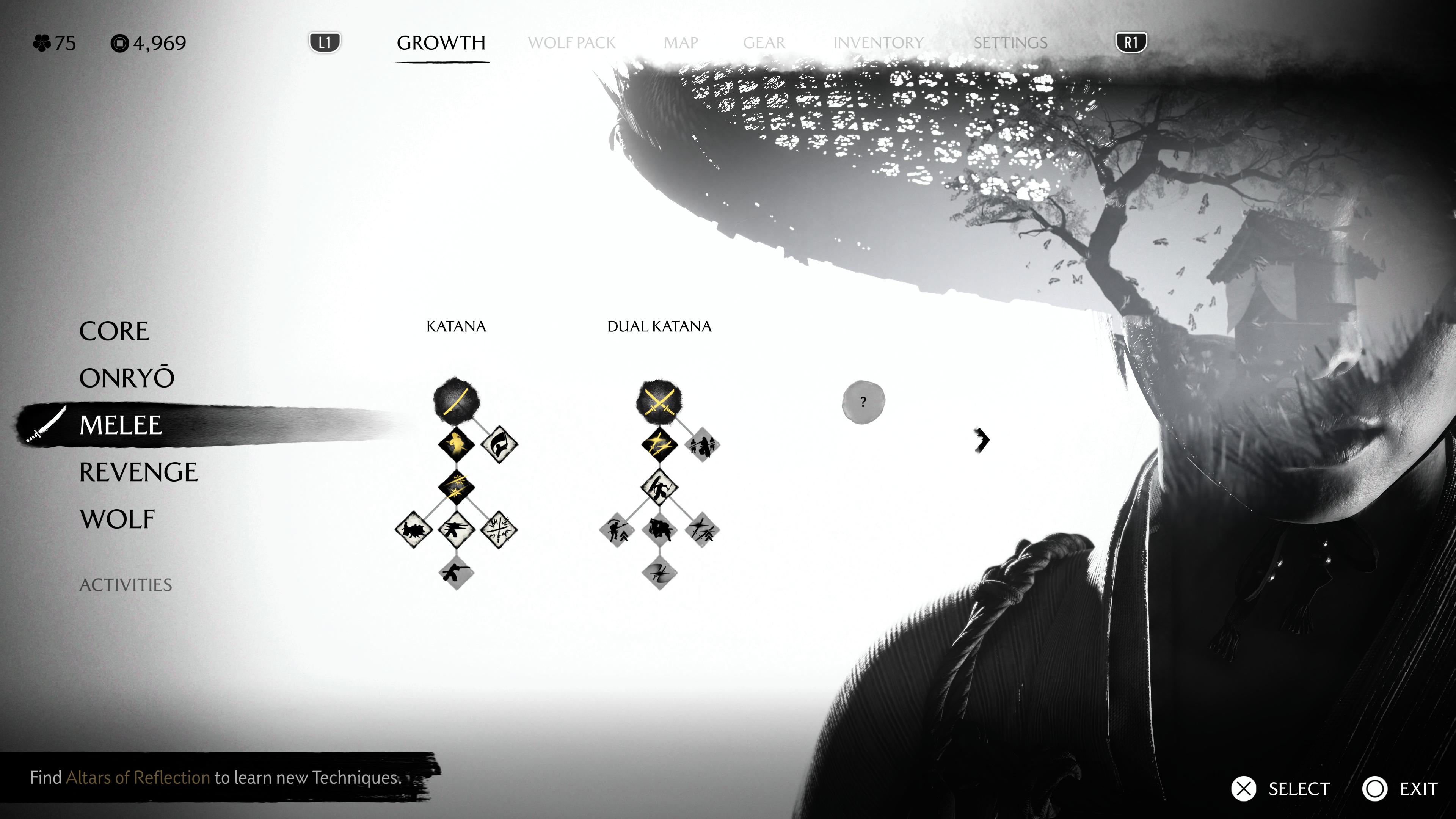
For any trophy hunters out there, the platinum trophy in Ghost of Yōtei is highly achievable. Most of the requirements align naturally with regular gameplay, meaning you’ll likely tick off a good chunk of them just by exploring thoroughly and engaging with side quests. There are no absurdly grindy tasks or missable collectables that demand a guide on standby, and the combat-based trophies are well-balanced, rewarding skill without punishing you for experimenting with different playstyles. It’s the sort of platinum that feels earned rather than endured — challenging enough to be satisfying, but never so tedious that it overshadows the fun of simply existing in Yōtei’s hauntingly beautiful world.
All in all, Ghost of Yōtei is a beautifully crafted, emotionally grounded adventure. It’s not revolutionary, but it’s heartfelt, polished, and deeply atmospheric. The combat feels great, the world invites exploration, and the story hits just enough to make it memorable. I’d give it a solid 9/10 — a game that doesn’t need to be perfect to be powerful.
 Gareth Ellis - Author