
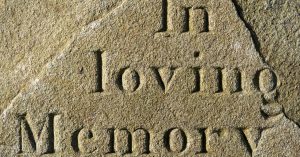
Every writer has a graveyard. It might be a drawer, a folder, or a hard drive, stuffed with stories that didn’t make it. Some sputtered out after a promising start, full of energy but unable to sustain themselves. Others ballooned into sprawling, unmanageable forms, leaving me tangled in their ambitions. And a few simply refused to catch fire, no matter how many sparks I tried to strike.
I sometimes call this my graveyard of drafts—though “graveyard” is only partly accurate. Not all of these stories are dead. Some are simply buried alive, waiting for the right moment, the right perspective, or the right skill to claw their way back into life. Some ideas are stubbornly persistent, lingering in the corners of my mind, nudging me when I least expect it, hinting that they still have something to say. Others, I’ve accepted, are content to remain dormant, teaching me patience as much as storytelling.
Killing a story—or at least setting it aside—is never easy. It’s a mixture of grief and relief, but it is one of the most important steps toward becoming a better writer. There is wisdom in recognising when something isn’t ready, when the story is more of a weight than a shape, and when letting it go is actually a form of respect for it.
The Pain of Letting Go
There’s a peculiar kind of grief in abandoning a project. You’ve poured hours into it—early mornings, late nights, stolen moments scribbled on scraps of paper or hidden in the margins of notebooks. You’ve seen your characters walking around in your mind, heard them speak, felt the weight of their emotions, maybe even loved them a little. To decide, after all of that, that the story just isn’t working feels like betrayal—like walking away from someone you care about.
However, the truth is that not every idea is strong enough to stand on its own. Some stories demand brevity, where their power can be concentrated into a precise, bite-sized experience. Others are sparks that never quite find the tinder they need—they might shimmer and glow for a while, but eventually fade if they aren’t nurtured at the right moment. And some ideas are simply premature, seeds planted too early in the soil of your own development. A story might only truly flourish when the writer has grown into the person capable of telling it properly.
The act of letting go is a lesson in humility. It reminds you that creation is as much about restraint as it is about inspiration. Ideas are living things—sometimes they grow, sometimes they shrink, and sometimes they simply need time to rest before they can grow again.
From Novels to Short Stories
A perfect example of this can be found in my own collection, Short Sharp Shock. Two of the stories—I Wish I Were Dead and Per Chance to Dream—began life as full-length novel ideas. I had grand visions for them, convinced they could stretch into sprawling narratives, with chapters and subplots woven into something monumental. I drafted outlines, wrote opening chapters, and mapped potential arcs across hundreds of pages. I pushed hard, trying to force them into something ambitious.
But the stories resisted. They sagged under the weight of a novel’s length. The tension and horror that had worked in short bursts became diluted; their unnerving energy dissipated as I tried to stretch them out. The ideas were sharp, unsettling, and concentrated at their core—too concentrated to sustain a full-length novel. I had to make a difficult choice: let go of the novel vision or risk producing something bloated and lifeless.
The solution was to strip them down, to find the bones of what worked best, and let them breathe in a new form. Turning these failed novels into short stories gave them life. They gained rhythm, tension, and atmosphere in ways they never had before. Killing them as full-length projects wasn’t the end—it was a transformation. And it taught me a valuable lesson: sometimes a story’s power is in its restraint, not its reach.
The Drafts That Still Haunt Me
Then there are the stories that don’t quite die. These ideas linger, half-formed, occupying the dusty corners of folders and notebooks, refusing to let go. I tell myself they’re “resting,” and sometimes I even believe it. There’s comfort in imagining that they’re not gone, that one day they might awaken, sharpened and ready to strike.
Some of these drafts might return to me, fully formed, when the timing is right—when the distance I’ve gained allows me to see their flaws and potential in equal measure. Giving an idea time to settle can make all the difference. What doesn’t work now might fit perfectly later, when experience, perspective, or a simple change in circumstances allows it to click into place.
I’ve learned not to mourn these dormant projects, because they are not failures; they are simply opportunities for growth. They are incubators of potential, quietly contributing to my growth as a writer. Even in their silence, they teach patience, discipline, and the value of trusting my instincts. What doesn’t work today might yet become a story worth telling tomorrow.
The Question of Sequels
This same dilemma extends to sequels. I’ve already published novels that readers have asked me to continue, and there are drafts tucked away, fragments of what could be sequels. They exist, waiting silently, but forcing them into shape now would feel like a betrayal—not of the drafts themselves, but of the stories they are meant to follow.
Rushing a continuation risks diminishing the original. Sequels, if they are to work, must be born from genuine inspiration, not obligation. They need the same care, patience, and creative fire that sparked the first book. Otherwise, the continuation risks becoming a shadow of the original—a hollow echo rather than a story in its own right.
I keep these drafts, not as unfinished obligations, but as quiet possibilities. They are reminders that ideas don’t have a fixed timetable. Some will demand attention, insist on being told, while others may remain in the graveyard indefinitely. Both outcomes are valid, and each serves its purpose.
Learning to Trust the Graveyard
Killing a story—or putting it aside—isn’t failure. It is an act of trust. Trust in yourself as a writer to recognise when something isn’t ready. Trust that your effort was not wasted, because every false start, every abandoned draft, teaches something invaluable. And trust that even in the graveyard, seeds are waiting.
Some stories come back sharper, renewed by time and perspective. Some remain buried, dormant yet influential in unseen ways. And some, like I Wish I Were Dead and Per Chance to Dream, find new life in unexpected forms, more powerful for the transformation they underwent.
I’ve made peace with my graveyard. It is not a place of endings, but of possibilities. Stories may lie half-buried, waiting, sleeping longer than I might wish, but they are never truly gone. In their silence, they remind me that writing is a long game—one of patience, care, and above all, trust in the life that lies in even the smallest, strangest spark.
 Gareth Ellis - Author