

In today’s gaming landscape, where we have hyper-realistic graphics, immersive VR experiences, and sprawling open worlds, the continued love for retro games might seem a bit puzzling. Why, in an era of ever-advancing technology, do so many gamers still find themselves drawn to the pixelated charm of classic titles? The answer lies in the timeless appeal of these games, which continue to resonate with both old and new players. Retro games aren’t just relics of the past—they’re a testament to the enduring power of good design, simplicity, and the emotional connections we form with our gaming experiences.
The Nostalgia Trip: More Than Just a Flashback
For many, retro games are a direct link to their childhood or teenage years. They remind us of a time when life was simpler and gaming was an unadulterated joy. There’s something deeply comforting about booting up a game like Super Mario Bros., hearing that familiar music, and being transported back to a moment when all that mattered was getting past the next level. It’s a powerful dose of nostalgia that many players find irresistible.
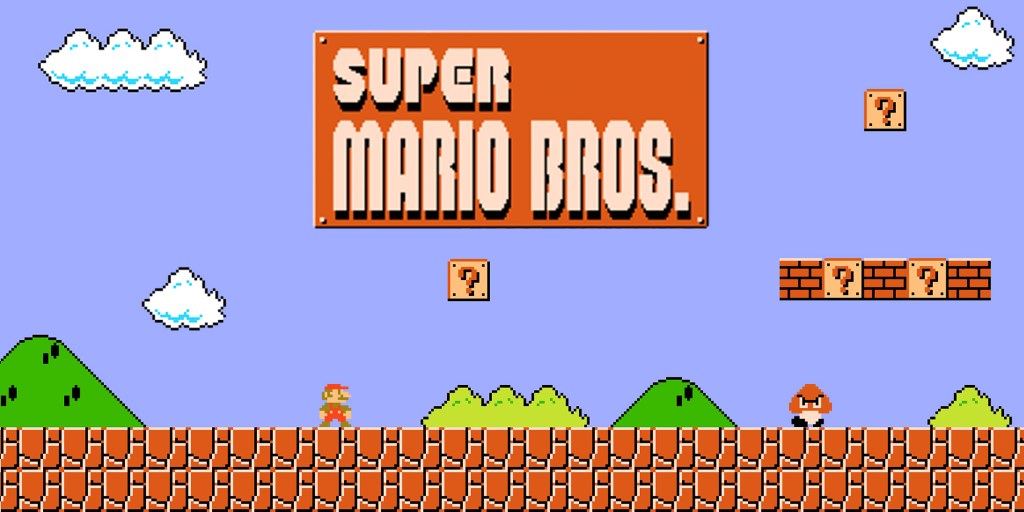
But nostalgia is more than just a longing for the past—it’s about connection. These games often served as social glue, bonding friends and family together. Whether it was passing the controller back and forth during sleepovers or competing for high scores with siblings, these shared experiences are etched into the memories of those who grew up during the golden age of gaming. Even today, when a retro game is revisited, it’s not just about reliving the past; it’s about reconnecting with those moments of joy and camaraderie.
As time goes on, a new generation of gamers is discovering these classics, often introduced by parents who want to share a piece of their own childhood. This creates a unique bridge between generations, where young and old can bond over the same game, finding common ground in the pursuit of rescuing a princess or defeating a final boss. The simplicity and accessibility of these games make them perfect for introducing new players to the joys of gaming.
What’s Considered Retro is Constantly Changing
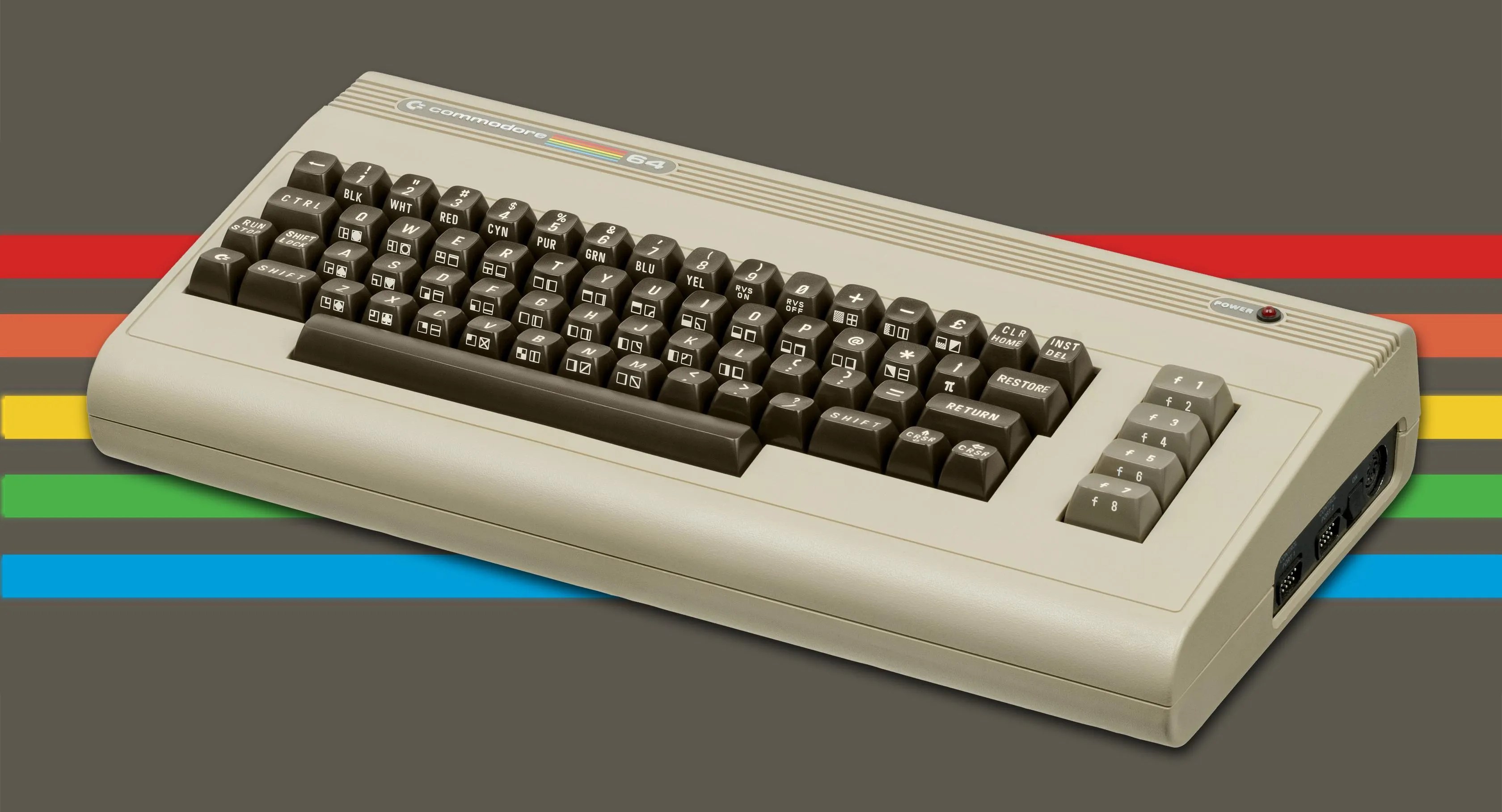
An interesting aspect of retrogaming is that what’s considered “retro” is always changing. For the older generation of gamers, the term might bring to mind consoles like the Commodore 64 or the Atari 2600—systems that laid the groundwork for the gaming industry we know today. These were the pioneers of home gaming, introducing players to the joys of pixelated adventures and simple, yet addictive, gameplay.

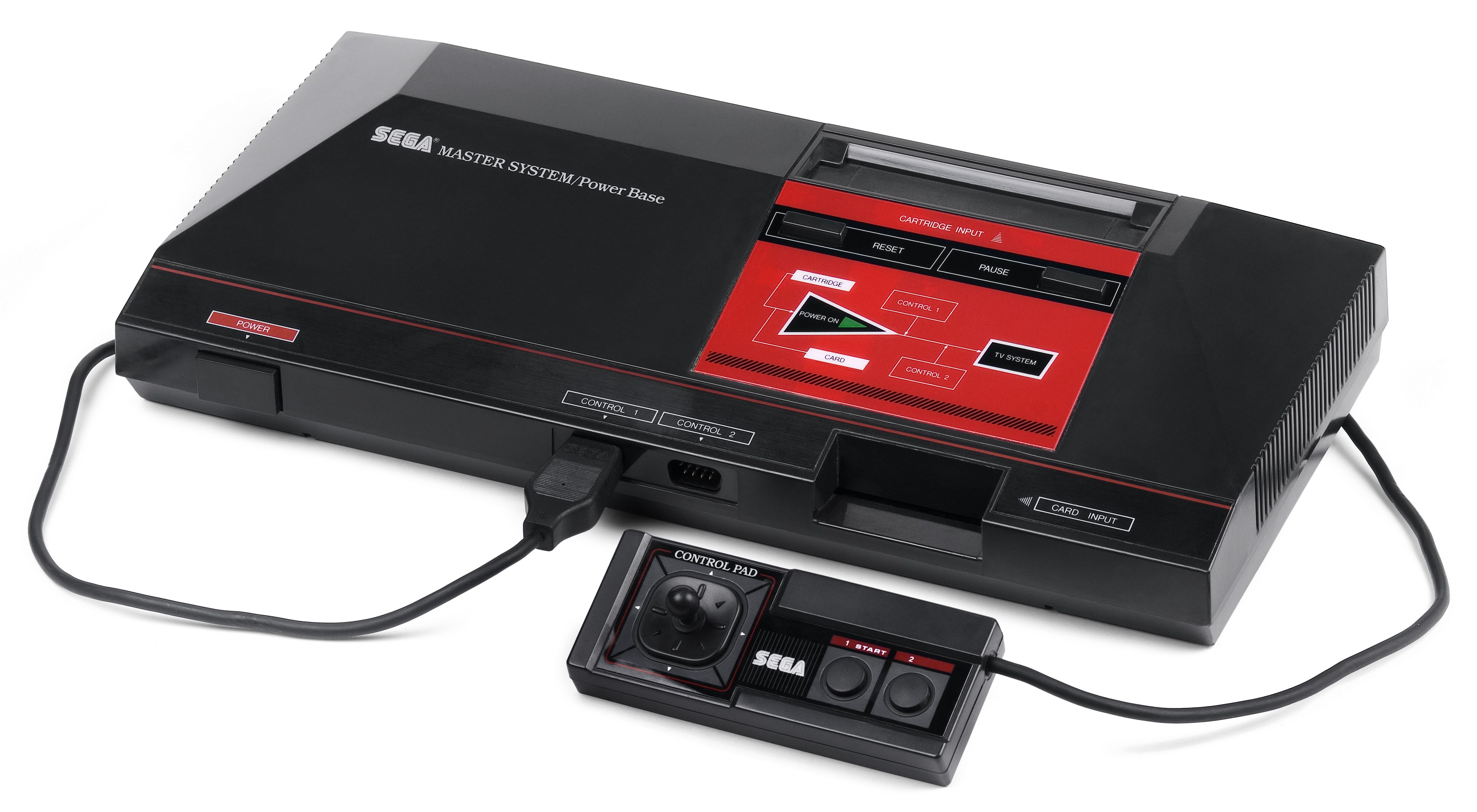
For another generation, the idea of retro might be more closely associated with the NES and Sega Master System. These consoles brought a new level of sophistication to home gaming, with iconic characters like Mario, Link, and Sonic becoming household names. The 8-bit and 16-bit eras defined much of what we consider classic game design, with tight controls, memorable soundtracks, and innovative level design.

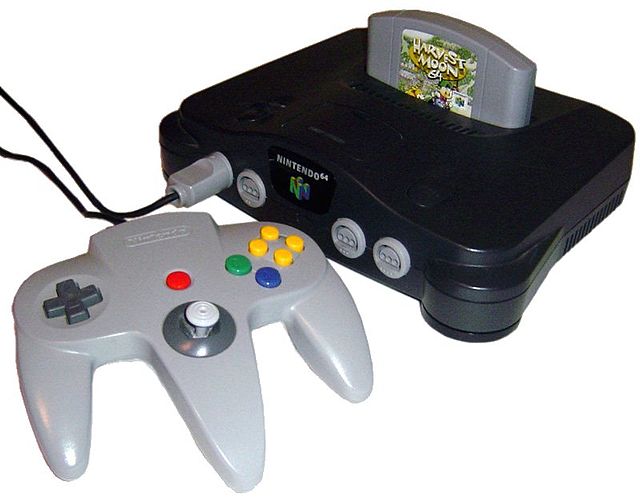
But for younger gamers, even these might seem like ancient history. To those who grew up in the late ‘90s and early 2000s, the original PlayStation, Nintendo 64, and Sega Dreamcast might be considered retro. These consoles introduced players to 3D gaming, offering new dimensions of gameplay and storytelling that were revolutionary at the time. What’s considered retro depends on your point of view, and as time marches on, consoles like the PlayStation 2, GameCube, and even the original Xbox are starting to enter the retro conversation as well.

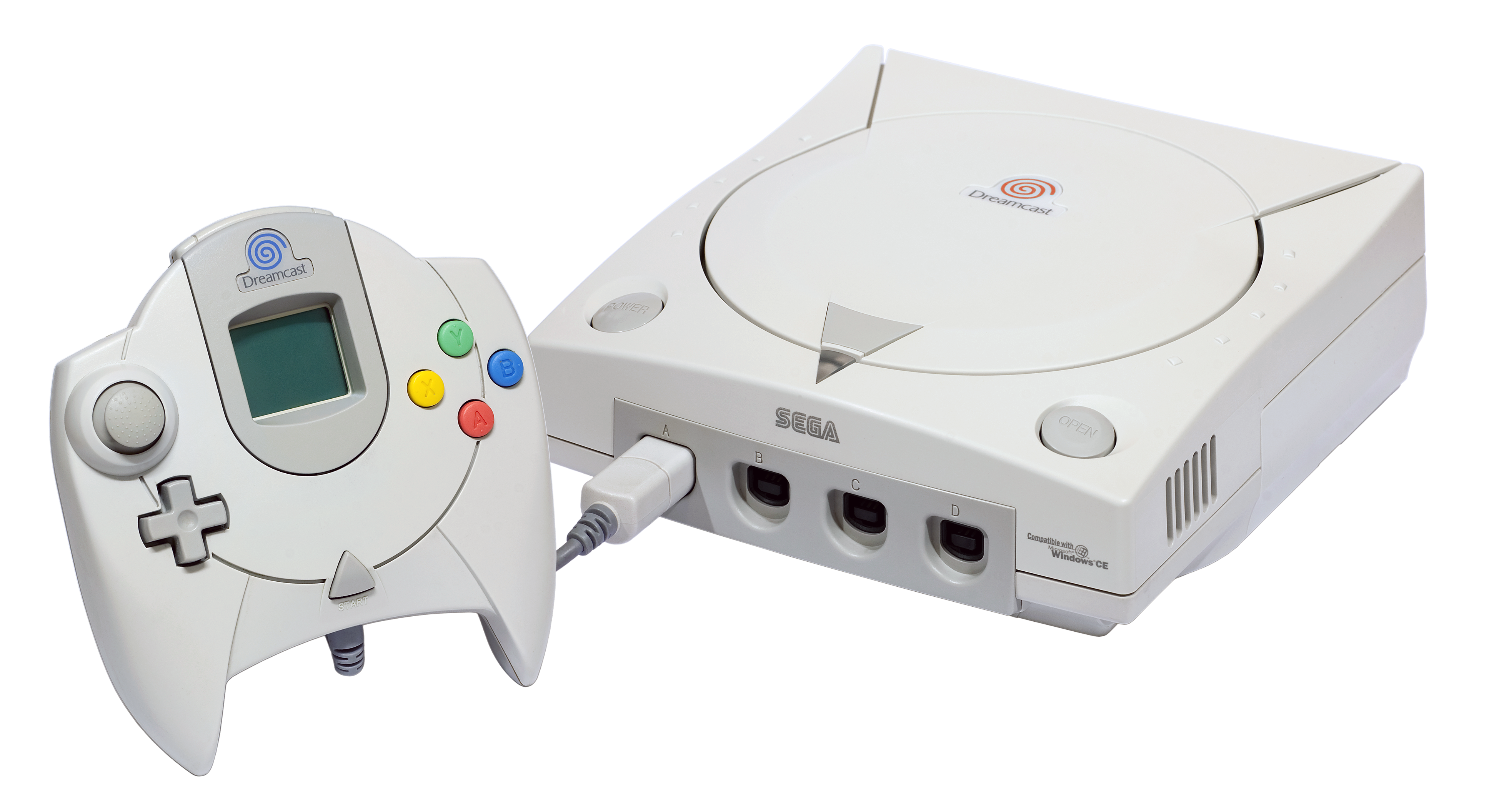
This shifting definition of what’s retro highlights just how quickly the gaming landscape evolves. Each generation of gamers has its own set of “classic” games and consoles, and as these players age, they bring their own nostalgic memories to the table, expanding the retro gaming community and keeping the love for older games alive.
The Beauty of Simplicity: Easy to Play, Hard to Master
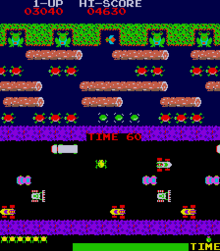
One of the key reasons retro games continue to appeal to modern players is their simplicity. In a world where games are often complex, with sprawling narratives, detailed graphics, and multiple layers of gameplay mechanics, there’s something refreshing about the straightforward nature of older games. Retro games were often designed around a single, simple idea—whether it was guiding a frog across a busy road in Frogger or clearing lines of blocks in Tetris. These concepts are easy to grasp, allowing players to jump right in without needing extensive tutorials or guides.
This simplicity doesn’t mean the games were easy, though. In fact, many retro games are notoriously challenging. Titles like Mega Man or Ghosts ‘n Goblins are legendary for their difficulty, offering a true test of a player’s skill and patience. This kind of gameplay has a certain purity to it—victory is earned through practice, perseverance, and a deep understanding of the game’s mechanics. For many gamers, this kind of challenge is more rewarding than the often more forgiving difficulty curves of modern titles.


The tight, responsive controls of these games also contribute to their lasting appeal. Every jump, attack, or movement in a game like Super Mario Bros. feels precise and deliberate. There’s little room for error, but when you finally nail that tricky section, the sense of accomplishment is unmatched. This level of control and design simplicity is something that even the most advanced modern games can struggle to replicate, making retro games a refreshing change of pace for those looking to test their skills.
The Retro Influence: Shaping Modern Game Design
The impact of retro games extends far beyond mere nostalgia—they’ve left a lasting mark on game design itself. Many contemporary games, especially those developed by indie studios, draw heavy inspiration from the classics. This isn’t just about adopting a retro aesthetic; it’s about embracing the design philosophies that made those old games so memorable.
Take, for example, the resurgence of 2D platformers. Games like Shovel Knight and Hollow Knight pay homage to the side-scrollers of the past, but they also bring new ideas and modern sensibilities to the table. These games might feature pixel art and chiptune soundtracks, reminiscent of the 8-bit and 16-bit eras, but they also incorporate more modern elements like deeper narratives, expansive worlds, and quality-of-life improvements that enhance the experience without sacrificing the core gameplay that made their inspirations great.


Even outside of the indie scene, the influence of retro games is evident in major titles. The Dark Souls series, for instance, draws on the punishing difficulty and tight gameplay loops of old-school games, challenging players to master the mechanics and learn from their mistakes. This design philosophy harkens back to the days when games were less about hand-holding and more about encouraging players to overcome obstacles through skill and determination.
The influence of retro games is also apparent in the growing trend of remakes and remasters. Classics like The Legend of Zelda: Link’s Awakening and Final Fantasy VII have been given modern makeovers, but these updates retain the heart and soul of the originals. By preserving the core gameplay and narrative, these remakes allow a new generation of gamers to experience these beloved titles, while also appealing to long-time fans who want to revisit their favorite games with a fresh coat of paint.


The Community and Preservation: Keeping the Classics Alive
The passion for retro games is kept alive by a dedicated community of fans, historians, and preservationists. Online forums, social media groups, and YouTube channels devoted to retro gaming are thriving, offering everything from gameplay tips to deep dives into the history and significance of these classic titles. These communities play a crucial role in keeping the love for retro games alive, sharing knowledge, and celebrating the rich history of gaming.
Preservation efforts are also vital in ensuring that these games remain accessible to future generations. Emulation, while a legally grey area, has allowed many classic games to be played on modern devices, helping to keep these titles alive even when the original hardware is long out of production. In addition, fan translations have made previously inaccessible games available to a global audience, expanding the reach of these classics beyond their original markets.
On a more official front, many game companies have recognized the enduring appeal of their classic titles and have made efforts to preserve them through re-releases, remasters, and compilations. The rise of retro consoles, like the NES and SNES Classic Editions, has given gamers an easy way to experience the hits of yesteryear on modern TVs. Similarly, digital storefronts like the Nintendo eShop and PlayStation Store offer a wide selection of retro titles, allowing players to easily revisit—or discover for the first time—some of the greatest games ever made.


So, Why Do Retro Games Still Matter?
Retro games are more than just a blast from the past—they’re a vital part of gaming history that continues to influence the present and shape the future. Their simplicity, challenge, and timeless design offer something that modern games often struggle to replicate, making them a valuable and enduring part of the gaming landscape. Whether it’s through the lens of nostalgia, the desire for a pure gaming experience, or an appreciation of their influence on today’s titles, retro games remain beloved by gamers of all ages.
In a world that’s always moving forward, retro games remind us of where we’ve been and why we fell in love with gaming in the first place. They serve as a bridge between generations, a source of inspiration for developers, and a touchstone for what makes a game truly great. As long as there are players who value these qualities, retro games will continue to matter—and their legacy will only grow stronger with time.
 Gareth Ellis - Author