
Released on 1 August 2017, The Long Dark is a unique and captivating survival game. Available on various platforms, including PC, PlayStation, Xbox, and Nintendo Switch, this game offers an engaging experience for players who relish the thrill of surviving in the harsh wilderness.
This game has been on our playlist for a while now, and we keep returning to it. I’m not usually into playing survival games, as I struggle when the direction isn’t clear and having to manage the various needs of my character. However, the story mode in The Long Dark helps with this… kind of. It offers a narrative framework that guides you through various challenges and objectives, making it more accessible for players who prefer a bit more structure.
But for the purposes of this blog, I will be focusing on the survival mode, where the true heart of the game lies. Before I continue, I just want to mention the disclaimer that is presented before you start the game: “Do not attempt to use what you learn in The Long Dark in real life. Doing so could result in injury, illness, or even death.” I always find myself wondering what type of person would try to emulate the stuff you do in-game in real life. It’s a stark reminder that while the game is deeply immersive, it’s still just a game and not a guide for real-world survival.


A Vast and Varied World to Explore
One of the standout features of The Long Dark is its expansive world, filled with diverse terrains and environments. As you journey through the game, you’ll encounter everything from snow-covered forests to frozen lakes and abandoned towns. Each area presents its own set of challenges and hazards, ensuring that no two playthroughs are ever the same.
The environment isn’t just for show; it actively affects your survival strategy. Dense forests might offer some protection from the elements, but they can also be home to dangerous predators. Open areas might provide better visibility, but you’ll be more exposed to the bitter cold and wandering wildlife. Each biome is meticulously crafted, giving you a truly immersive experience as you navigate through blizzards, fog, and clear, starry nights.
Creating Your Own Map
Like many games, there is a map available for use, but unlike others, the map in The Long Dark is up to you to create. By using charcoal harvested from burned-out fires, you can survey the area you’re in, revealing a certain radius of the map around you along with any points of interest that you may want to scavenge supplies from. This system requires you to be more engaged with your surroundings, as you’ll need to constantly update your map by exploring new areas and setting up campfires to harvest charcoal.
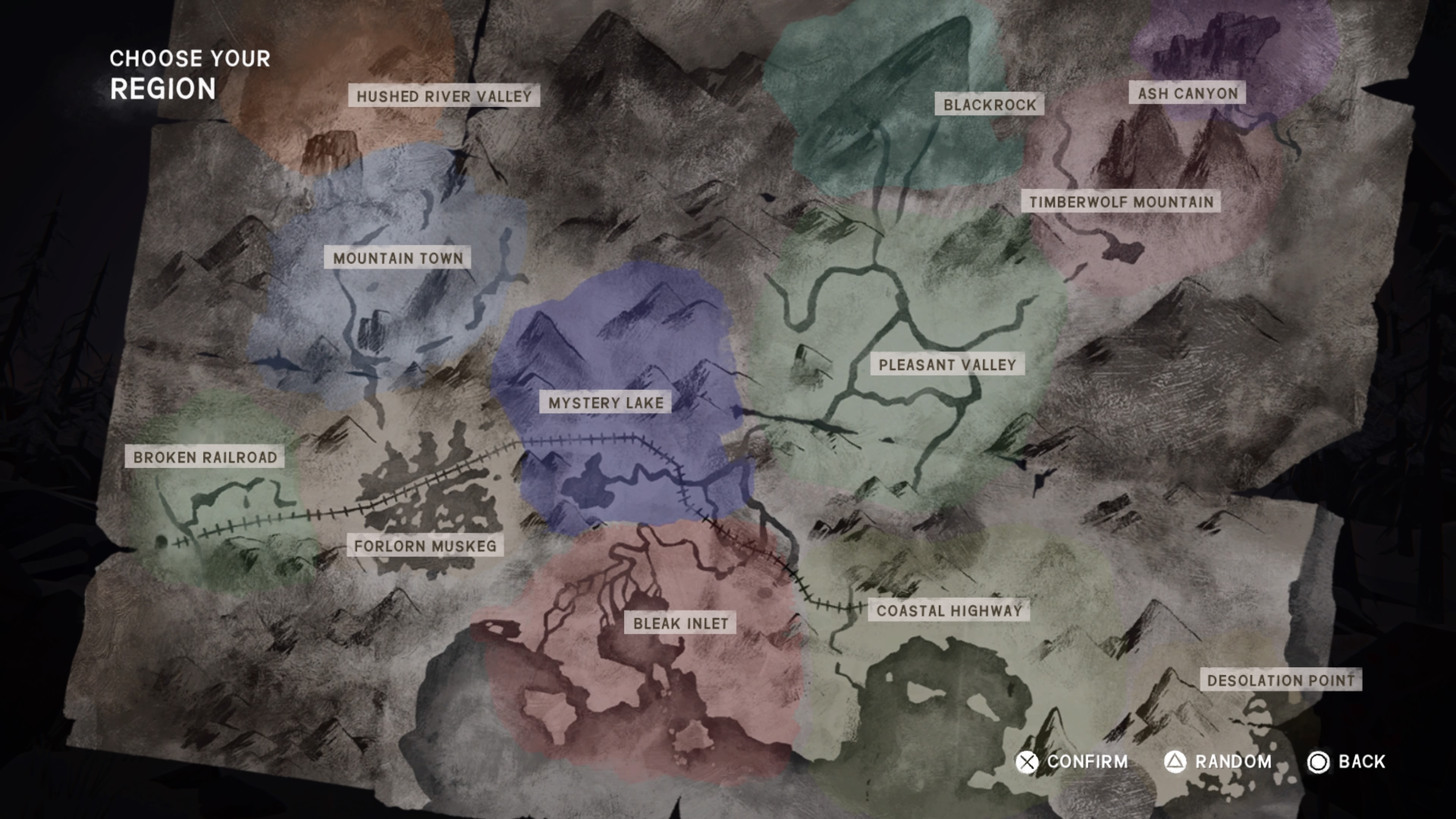
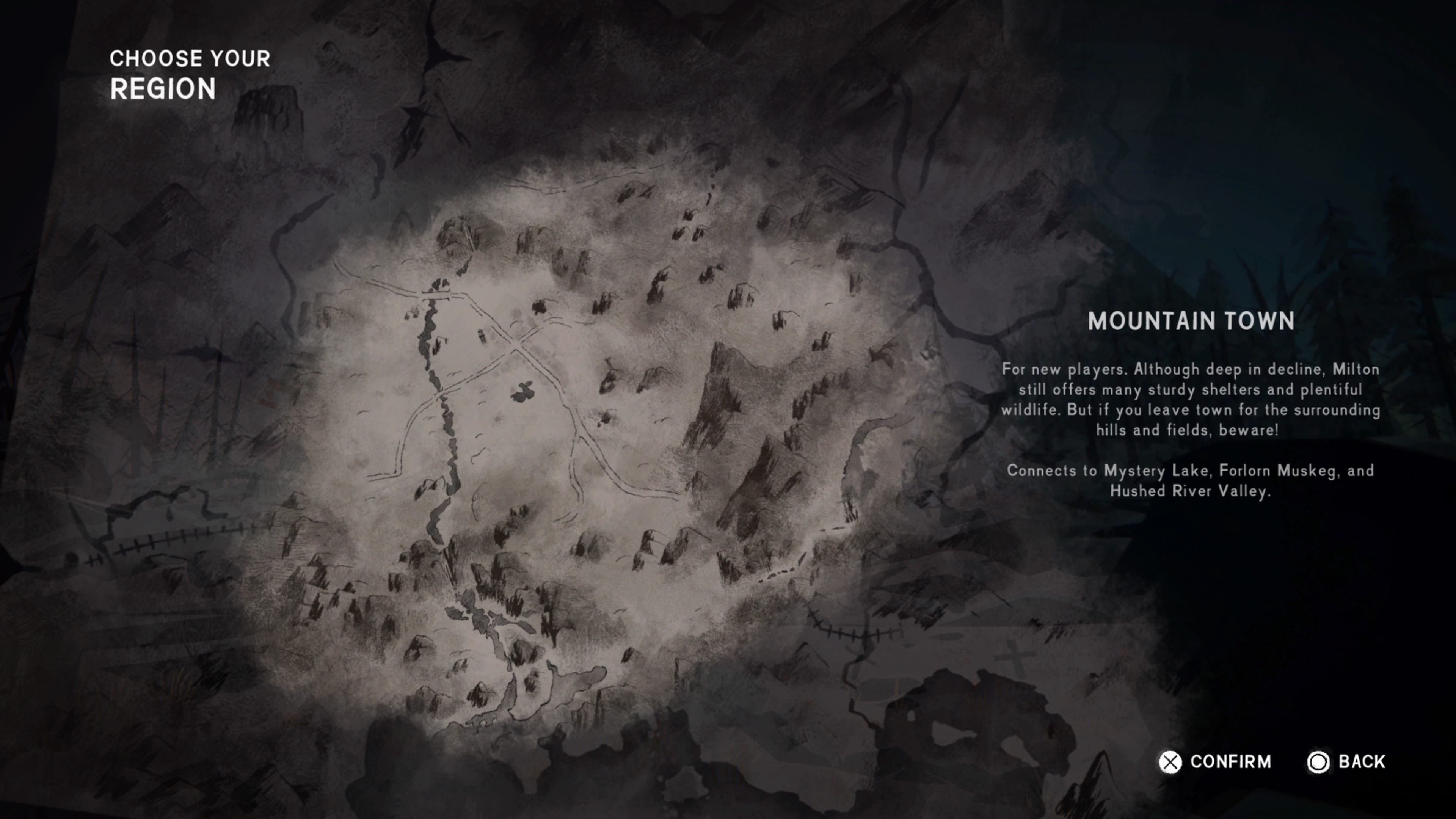

In addition to charcoal mapping, the game provides spray paint that you can use to mark your way. These markings help you navigate back to important locations or warn you of dangerous areas. This combination of charcoal mapping and spray paint marking creates a unique navigation experience that requires you to pay close attention to your environment and plan your movements carefully. It also adds a sense of ownership and achievement as you gradually fill out your map with each new discovery.
Beware of the Wildlife
Speaking of wildlife, The Long Dark isn’t just about surviving the elements. The wilderness is teeming with threats, including wolves, timber wolves, and bears. Wolves are a common threat, often lurking near carcasses and other food sources. Their howls can send chills down your spine as you know they’re closing in on you. Timberwolves, a more persistent and organised type of wolf, are particularly dangerous as they hunt in packs and can coordinate their attacks, making them a formidable foe. These pack dynamics mean that once one wolf spots you, it’s likely that the rest are not far behind.
Bears are another story altogether – massive, powerful, and relentless, they require careful planning and preparation to defeat or avoid. Encountering a bear can be a terrifying experience, as they are not easily deterred and can inflict serious damage if you’re not prepared. Knowing when to run, when to hide, and when to stand your ground can make the difference between life and death.
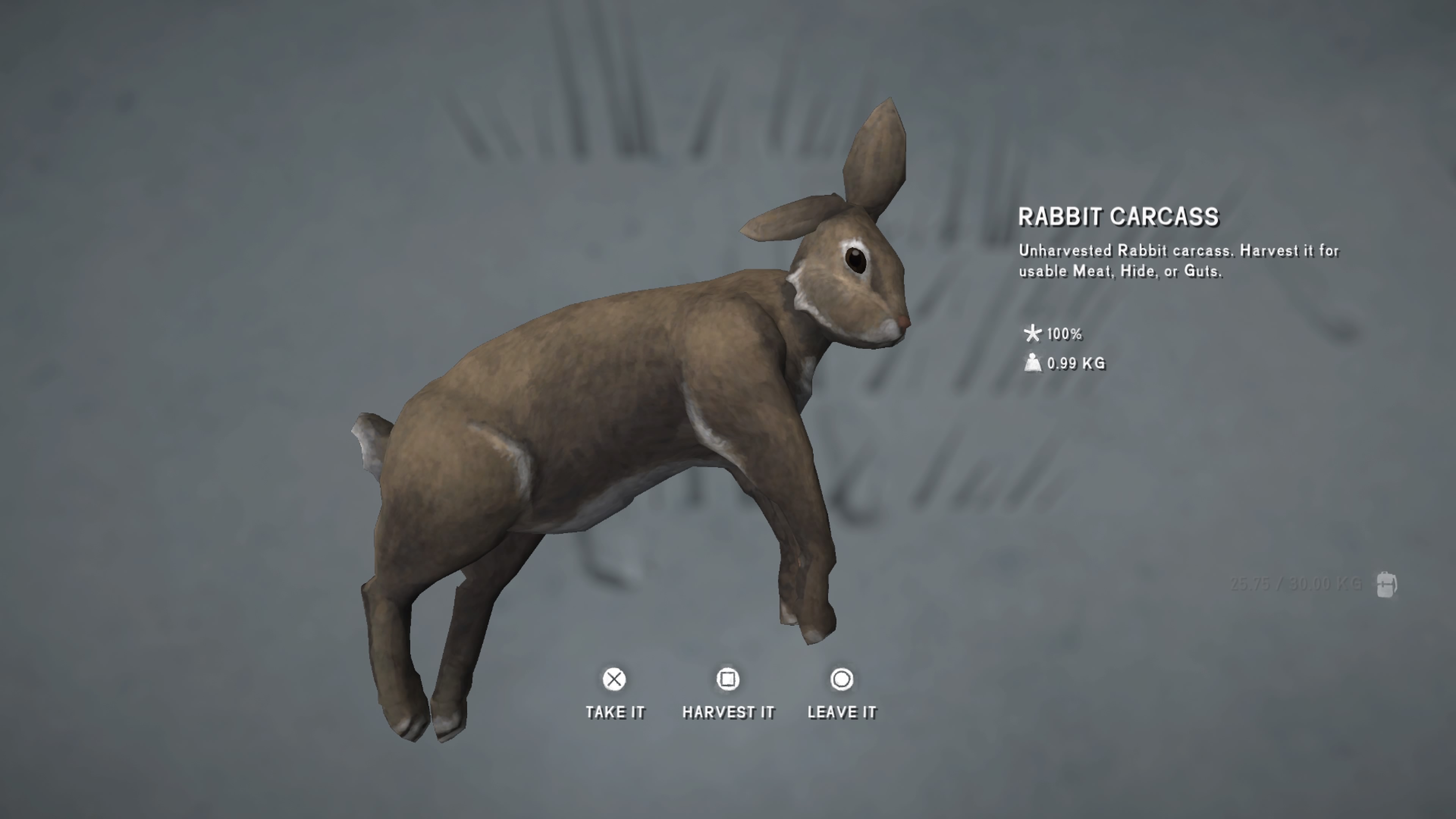
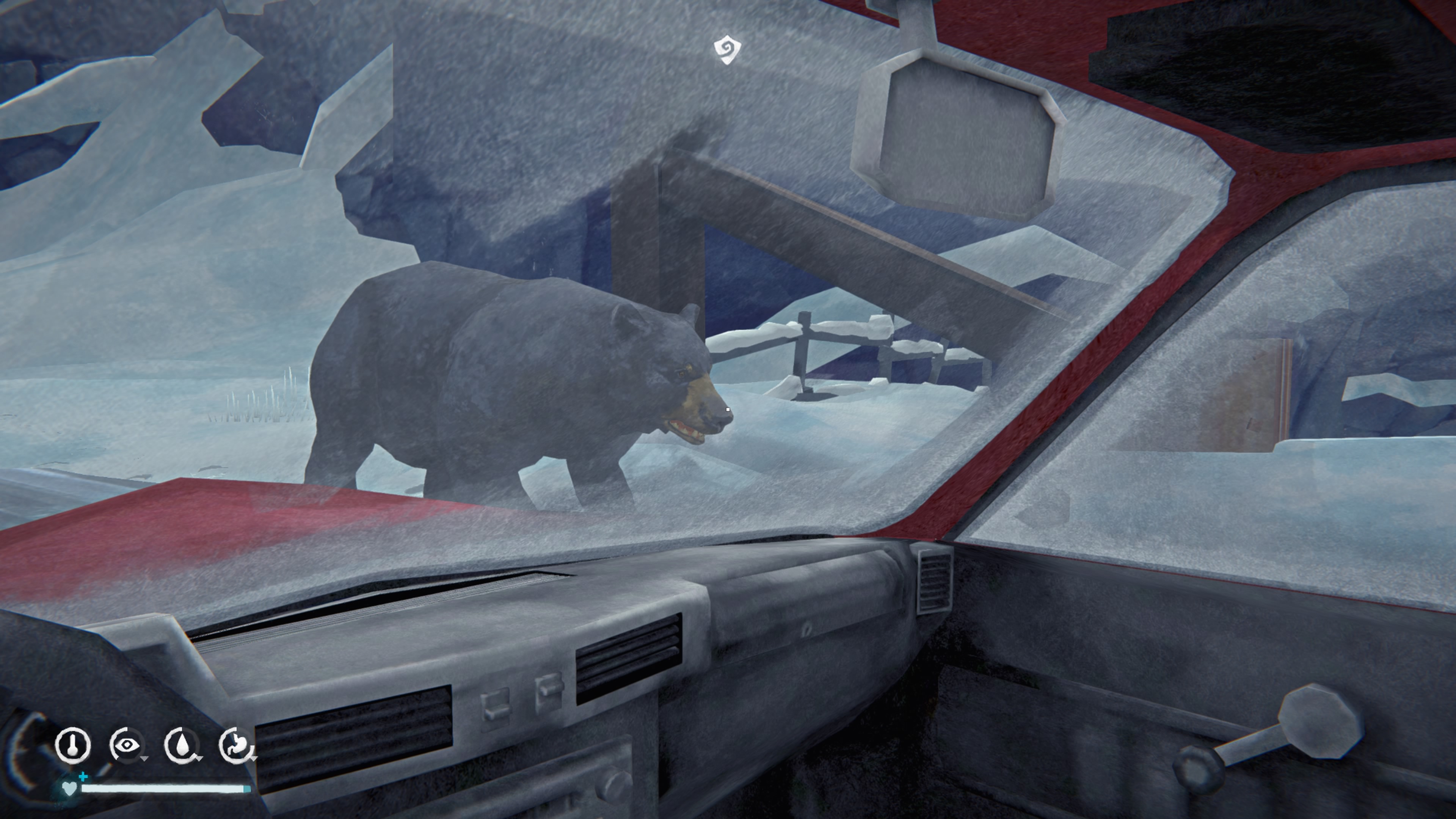
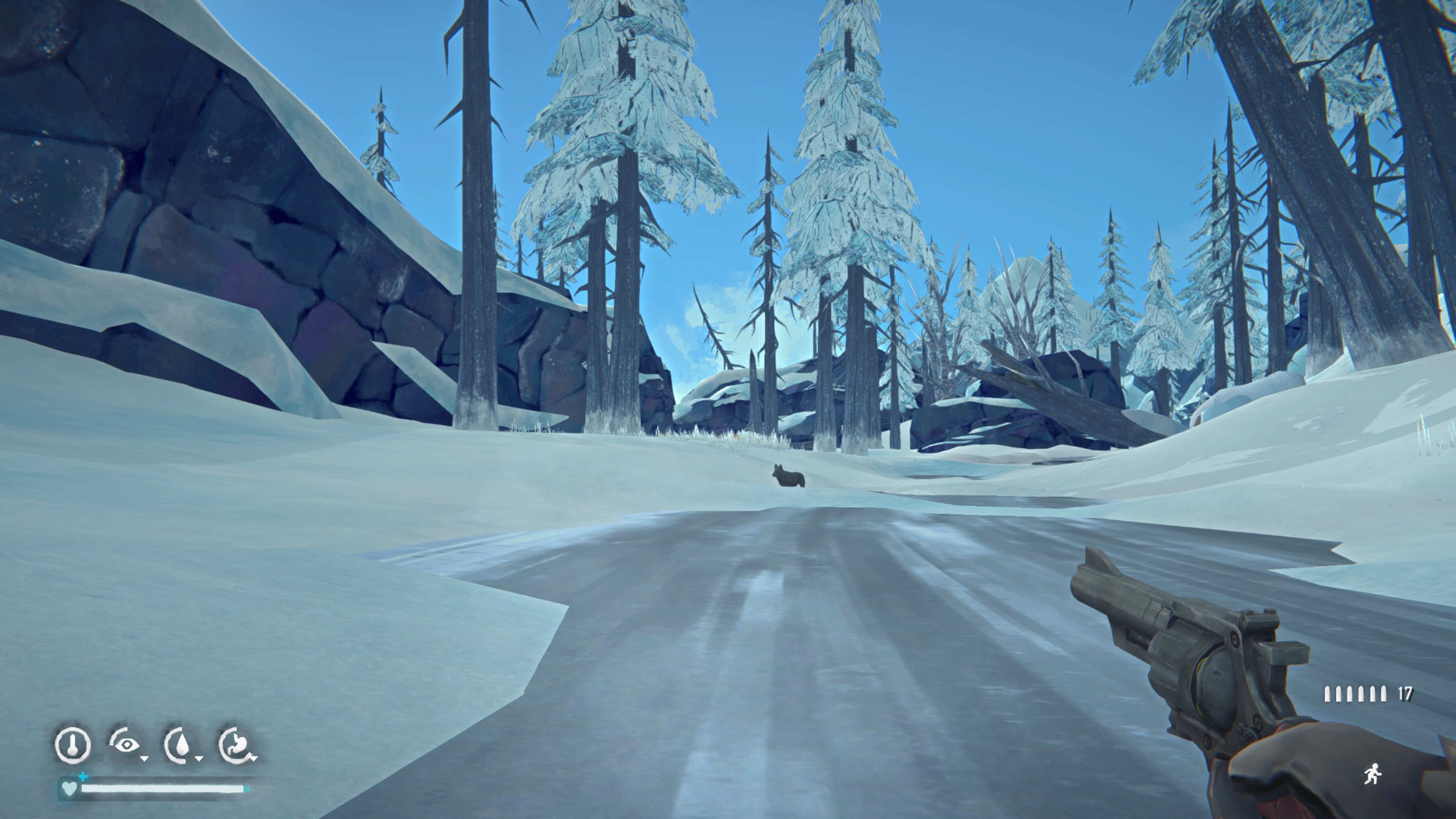
These animal encounters add a significant layer of difficulty to the game. Every decision must be weighed carefully – is it worth the risk to venture into wolf territory for that much-needed supply cache? Should you try to sneak past the bear or wait until it moves on? These are the kinds of questions you’ll face regularly in The Long Dark. The unpredictability of these encounters ensures that your heart will always be racing as you try to survive.
Environmental Hazards
The perils in The Long Dark aren’t just confined to enemies that you can see and fight. You also have to contend with thin ice, which, if walked on, may crack and dump you into freezing water that will harm you. The sudden plunge into icy water can quickly drain your warmth and health, putting you in a dire situation if you don’t get warm and dry fast.
You also have to be wary of falling. If you plan on climbing to a new area, be very aware of your tiredness and stamina, as these will impact how far you can climb and whether or not you make it to your destination safely. Of course, if you fall, you may incur health penalties, including fractured bones. There is also the possibility, when walking on certain terrain while overloaded with gear, that you will sprain ankles, which will impair your movement speed and ability to run.



Other things to consider include spending too long inside, which runs the risk of gaining “cabin fever.” This affliction prevents you from sleeping, researching, and passing time indoors for 24 hours. Additionally, eating food that’s past its best or raw can cause food poisoning, which reduces your health by 10% per hour to a minimum of 15% and reduces fatigue by 30% per hour. If not treated with scavenged antibiotics or prepared reishi or burdock tea and resting for 10 hours, food poisoning can be deadly. What could have been a mild inconvenience could cost you everything. To go along with this, the afflictions stack, so gaining multiple can hinder your treatment of some afflictions. This means you must constantly be vigilant about your health and resource management to avoid a downward spiral that could end your game.
Scavenge and Survive
Survival in The Long Dark isn’t just about avoiding danger – it’s also about finding the resources you need to stay alive. What you can scavenge varies greatly depending on your location. In more populated areas, you might find buildings with valuable supplies like food, clothing, and tools. Remote areas, on the other hand, might have fewer resources but offer unique items that can give you an edge.
Exploration is key. Each building, abandoned car, and hidden cache can contain essential items that might make the difference between life and death. The thrill of finding a new piece of equipment or a stash of food is one of the game’s most satisfying aspects. However, you need to balance this with the constant need to manage your inventory, ensure you’re not carrying too much weight, and that your gear is in decent condition and not in need of repair, which can slow you down or make you more vulnerable to attacks or the weather.


Another neat thing to help you scavenge is that birds will circle above any carcass that may be lying in the frozen wastes. This could either be human or a dead animal that either you or another beast has taken down. They also helpfully drop feathers for when you want to craft arrows. This little detail not only aids in your scavenging efforts but also adds to the realism and immersion of the game. Knowing that vultures and crows are a sign of potential resources gives you another layer of strategy as you navigate the frozen wilderness.


The types of items you find also vary with the location you’re in. Urban areas might provide canned goods and medical supplies, while rural cabins might offer hunting equipment and warmer clothing. This diversity ensures that each new area you explore feels fresh and offers new opportunities for survival. It’s a constant cycle of risk and reward as you push further into the wilderness, never quite knowing what you’ll find or what dangers you’ll face.
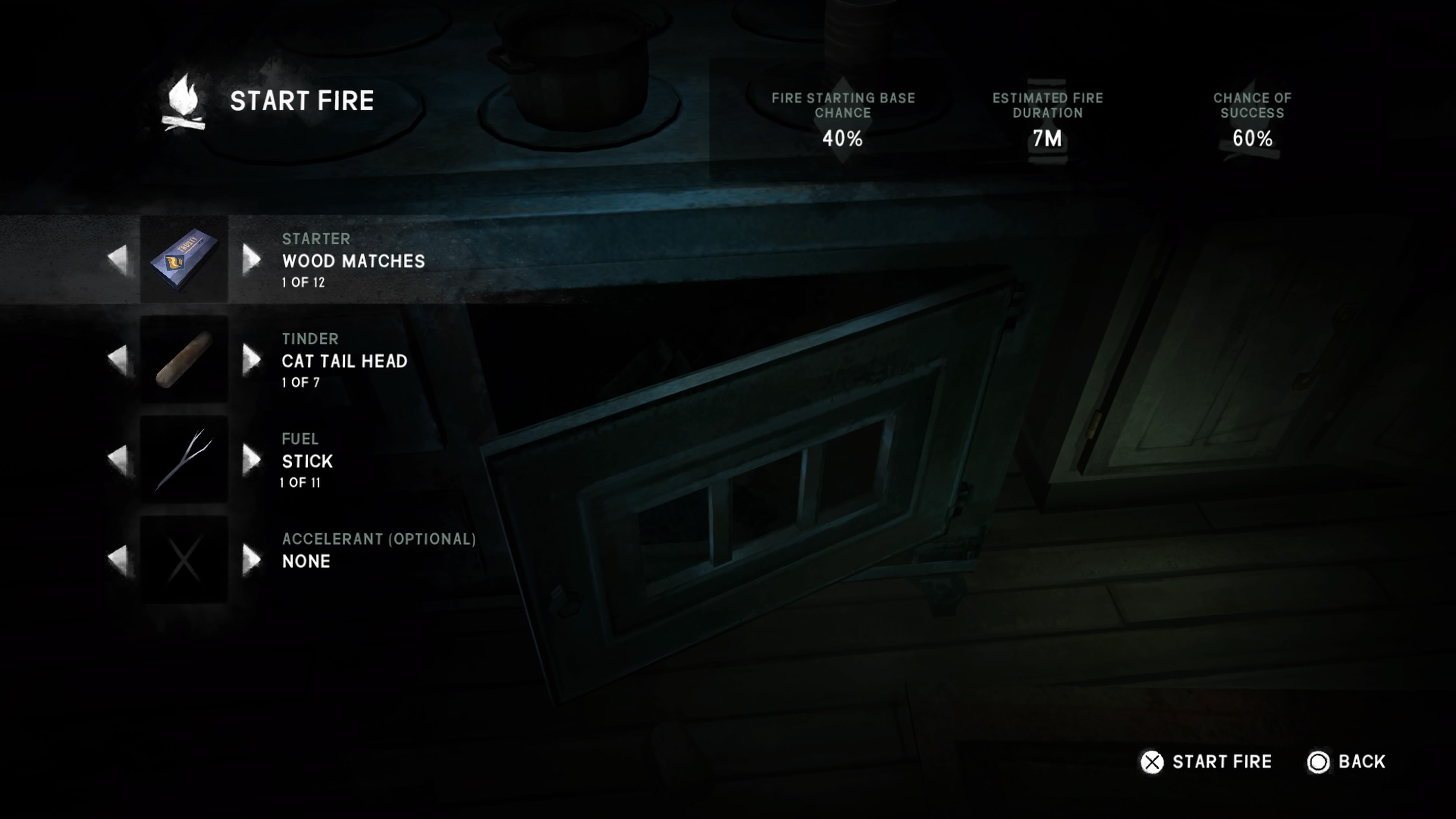
As well as scavenging for food and equipment, you are also able to craft items that might come in handy, from cups of tea and bandages to heal your afflictions, to bear skin coats to fight against the elements; they all add to your possibility of survival. On your hunt, you may also come across certain books, which, when read, increase your skills in the area you’re reading about, be it shooting firearms, harvesting your kills, or fixing your gear.


Challenging but Rewarding Progression
As you progress through The Long Dark, the game becomes increasingly difficult. The weather can turn in an instant, transforming a seemingly safe journey into a desperate struggle for survival. As the days go by, your resources dwindle, forcing you to venture further from your base in search of supplies. This added pressure means that you must constantly adapt your strategy, learning from each encounter and mistake.
The game’s difficulty is balanced by the rewarding feeling of mastering its mechanics. Successfully navigating a blizzard, outsmarting a pack of timber wolves, or finding a hidden cache of supplies can feel incredibly satisfying. Each small victory adds to your confidence, but The Long Dark never lets you become complacent. There’s always another challenge waiting just around the corner.
The New Misery Difficulty
For those who crave an even greater challenge, The Long Dark has introduced a new difficulty level called Misery. This aptly named mode really sets you up for the harshest experience the game has to offer. Misery mode doesn’t just make the environment and enemies tougher – it adds a new enemy, the cougar, which, just by the sound of it, doesn’t seem fun in the slightest. (Update: this enemy has currently been removed pending a further update.)
In addition to the cougar, as time progresses in Misery mode, you also face unavoidable afflictions. These afflictions can significantly impact your gameplay, making survival even more complex and demanding. We haven’t been brave enough to venture into that difficulty yet, but it’s on our radar for when we’re feeling particularly masochistic.


On the harder difficulties, it’s tempting to bunker down in a single location, but this isn’t really possible. Eventually, supplies will run out, and you’ll be forced to move on and venture into snowier and more perilous areas. This constant need to relocate adds a layer of strategic planning to your survival efforts. You must balance the safety and familiarity of your current shelter against the dwindling resources and the dangers that lie beyond. Deciding when to move and where to go next can be one of the toughest decisions you’ll make, especially on higher difficulties like Misery.
Final Thoughts
The Long Dark excels in creating a challenging and immersive survival experience. Its rich, varied environments, dangerous wildlife, and the constant need to scavenge for supplies make every moment tense and rewarding. Whether you’re a veteran survivalist or new to the genre, The Long Dark offers a unique adventure that will test your skills and keep you coming back for more. So bundle up, prepare your gear, and see how long you can survive in the unforgiving wilderness of The Long Dark.
 Gareth Ellis - Author