

⭐⭐⭐⭐
I’ll be honest: this one took me a little while to click with. Not in a bad way, exactly — more that I had to adjust my expectations. The opening didn’t immediately grab me in the way some Discworld stories do, and for a bit I felt like I was circling the edges of something rather than being fully pulled in. I kept going partly out of trust in Pratchett, and partly because there was a quiet sense that it was laying groundwork rather than showing off.
Once it settles, though, The Wee Free Men really finds its feet.
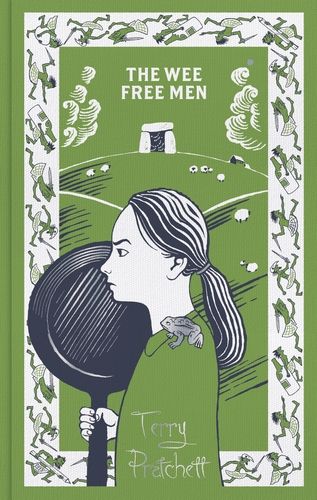
Tiffany Aching is a fantastic protagonist. She’s practical, stubborn, observant, and far more thoughtful than she first appears. What I loved most is how her strength isn’t flashy — it’s rooted in common sense, responsibility, and the ability to look at the world clearly, even when it’s frightening or strange. She feels like a genuine Pratchett hero: someone who wins not by being special in a magical sense, but by paying attention and refusing to back down.
And then there are the Nac Mac Feegle, who absolutely steal the show. They’re chaotic, ridiculous, frequently violent, and somehow deeply principled in their own sideways way. Every time they turned up, the book gained a burst of energy. The humour around them is sharp and silly, but there’s also a lot of warmth underneath the nonsense. Pratchett’s knack for making absurd characters feel oddly human is in full force here.
What surprised me most is how dark the story gets at times, especially for something often described as aimed at younger readers. There’s real menace in the villains, and the themes around fear, identity, and taking responsibility for others are handled with more seriousness than you might expect. It never becomes grim, but it doesn’t talk down to the reader either — which is something Pratchett always excelled at.
By the time I reached the later chapters, I was completely on board. The pacing tightens, the emotional stakes rise, and everything that felt a little loose at the start suddenly makes sense. Looking back, that slower entry feels deliberate — the calm before the weirdness fully breaks loose.
This isn’t my absolute favourite Pratchett, but it’s a strong, clever, and surprisingly thoughtful read. It feels like the beginning of something important, both for Tiffany and for the kind of stories Pratchett wanted to tell at this point in his career. Once it gets going, it’s funny, sharp, and quietly powerful; well worth sticking with if the opening takes a moment to win you over.
 Gareth Ellis - Author